Driving in Spain: Guide to Exchanging Your License and Registering Your Vehicle
Complete guide for expats on driving in Spain: validity of French licenses, exchange procedure, vehicle registration, and local rules.

International Mobility Expert
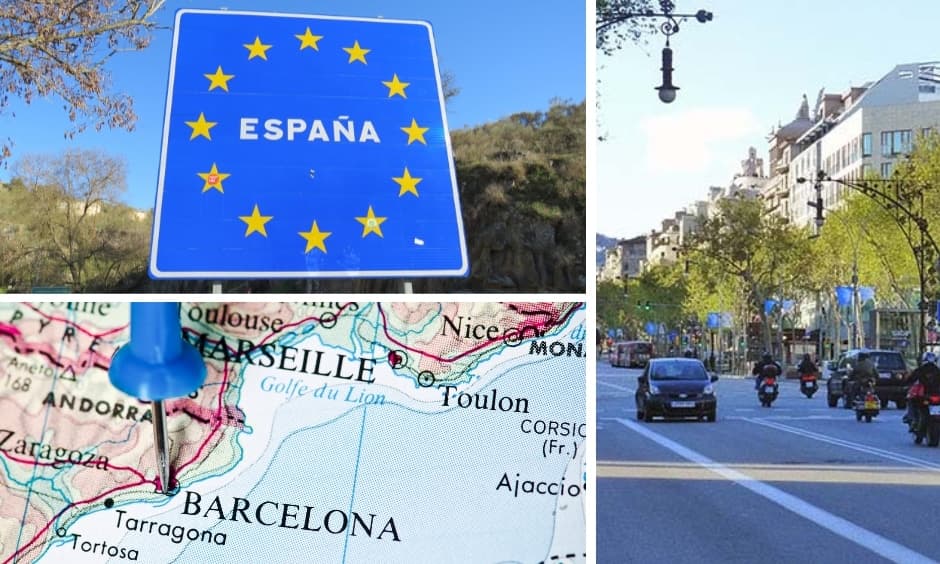
EU nationals must hold a valid driving license to drive in Spain. The European driving license, such as the French license, is recognized and allows you to drive without additional formalities, with no need for translation or an international license. There is therefore no obligation for a short stay.
However, for a long stay, Spanish law imposes rules: any resident in Spain must exchange their foreign license for a Spanish license after two years (or even from 6 months in case of a serious violation or an expiring license). The current rule is that after 2 years of residence, the exchange becomes mandatory for French licenses with unlimited validity. To avoid the risk of a fine, it is advisable to start the process within the first year of your installation.
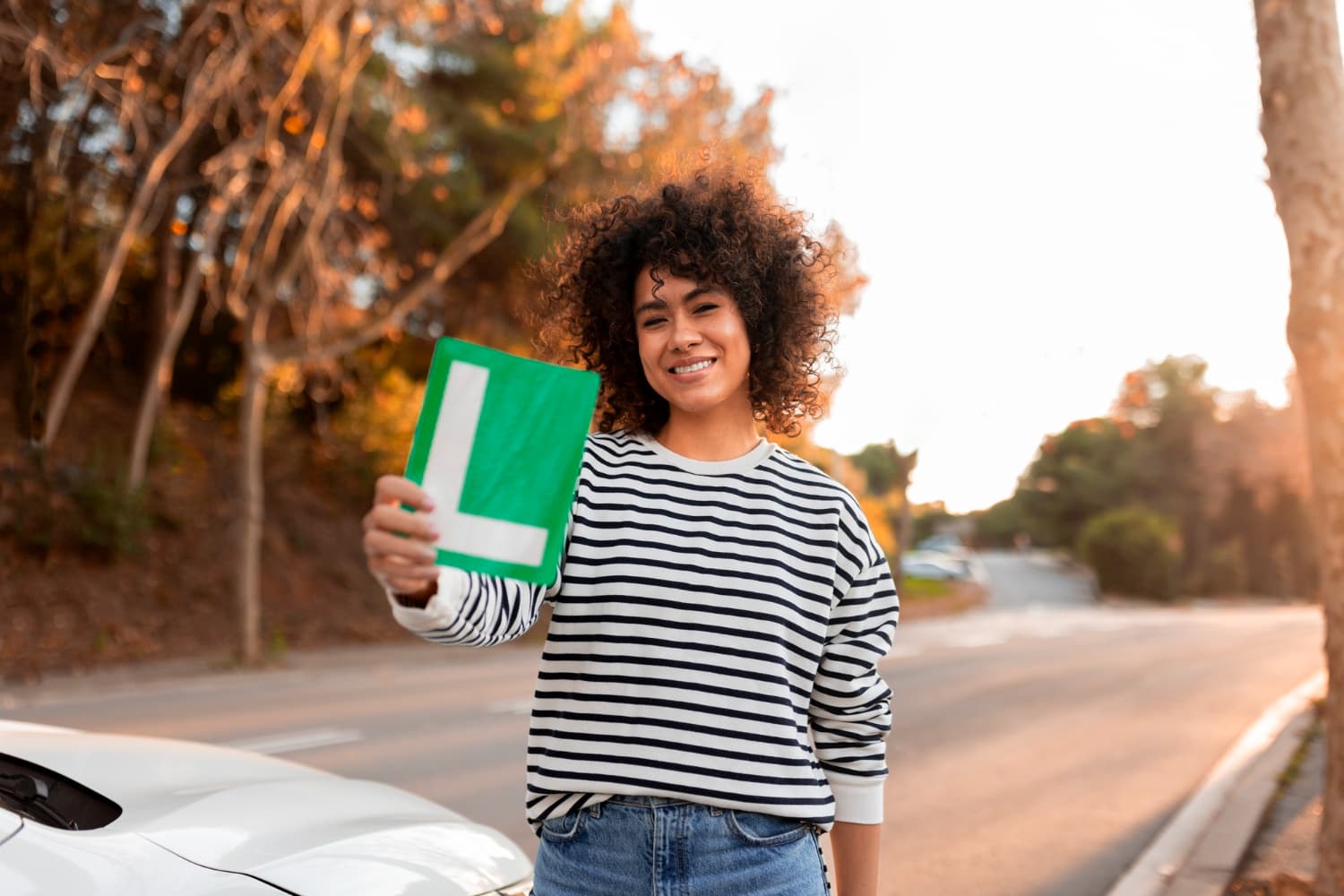
Exchanging Your French Driving License in Spain
When to Exchange Your License?
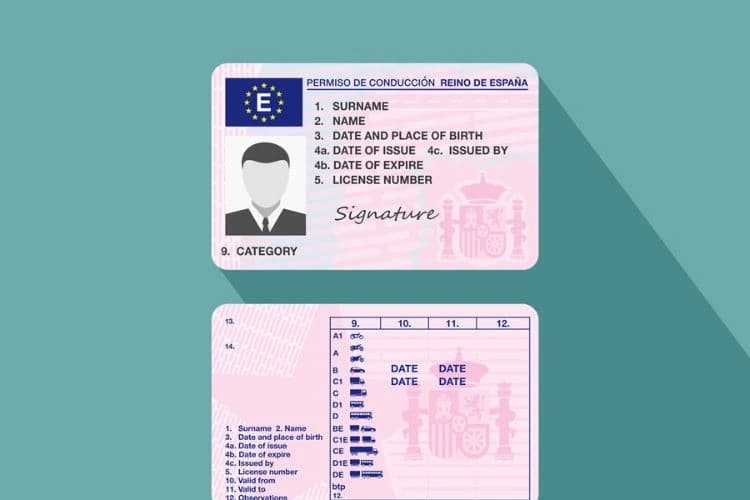
The exchange of a French license is done at the local Jefatura de Tráfico (equivalent to prefectures). Spanish law requires residents of more than two years to exchange their French license for a Spanish one. This period can be reduced to 6 months if you commit a serious offense or if your license expires.
In practice, it is better not to wait two years: start the process from the first year to be safe. This avoids problems such as a fine, refusal of compensation by insurance, or vehicle immobilization during a check.
Benefits of the Exchange
Obtaining a Spanish license has several practical advantages. Your license will be registered in the local DGT system, which simplifies procedures in case of loss or theft and allows you to obtain a duplicate quickly on site. You will also be fully aligned with Spanish legislation: the photo and medical information will be updated to the national format. In addition, the Spanish license operates with a points system.
Finally, during road checks, having a Spanish license avoids any misunderstanding related to resident status. In short, the exchange allows you to drive "with peace of mind" and avoid future administrative troubles.
How to Exchange Your License: The Procedure
Here are the key steps and documents to provide:
- Book an appointment online on the DGT website (section "Trámites" > "Canje UE/EEE"). Choose the Jefatura de Tráfico of your province.
- Gather the following documents:
- Your NIE (Foreigner's Identity Number) and passport or national ID card.
- The original valid French license.
- Two recent passport photos (32×26 mm).
- A psychophysical fitness medical certificate issued by an approved center (cost approximately €20–40).
- The exchange application form available on the DGT website.
- Payment of the exchange fee (approximately €28).
- Attend the appointment with the complete file. Your French license is withdrawn and a provisional license valid for 3 months is issued to you.
- Wait for the definitive Spanish license, sent to your home in about 1 to 2 months.
Besoin d'aide pour obtenir votre NIE vert en Espagne ?
Notre équipe d'experts vous accompagne pour obtenir votre NIE vert (résident) rapidement et efficacement.
Plus de 500 NIE verts obtenus
Registering Your French Vehicle in Spain
If you import your French car to Spain and become a resident, you must re-register it with Spanish plates within approximately 6 months.
1. Obtaining the Technical Sheet (ITV)
Your vehicle must pass the Spanish technical inspection (ITV). Even if your French inspection is up to date, passing it in Spain is mandatory to obtain the local technical sheet. Bring the French registration card, the European certificate of conformity, and your NIE.
2. Customs Clearance and Taxes
For an EU vehicle, there are no customs duties. Two taxes are possible:
- VAT (IVA): if the vehicle is less than 6 months old or has less than 6,000 km, you must pay Spanish VAT (21%).
- Impuesto de Matriculación: registration tax depending on the CO₂ rate (from 0% to 14.75% depending on emissions).
Besoin d'aide pour obtenir votre NIE vert en Espagne ?
Notre équipe d'experts vous accompagne pour obtenir votre NIE vert (résident) rapidement et efficacement.
Plus de 500 NIE verts obtenus
3. File with the DGT
Required documents:
- Registration application form
- Proof of residence in Spain (padrón)
- NIE
- Invoice or certificate of ownership
- European certificate of conformity
- Proof of Spanish insurance
- Proof of payment of IVTM (annual circulation tax)
4. Obtaining Plates and Deregistration in France
Once the file is validated, you receive a new registration number and can have the Spanish plates made (approximately €20).
Then remember to deregister the vehicle in France via the ANTS website to avoid double insurance.
Insurance, Traffic Rules, and Local Regulations
Car Insurance in Spain
It is preferable to insure your vehicle in Spain once you are a resident. The formulas (third-party, comprehensive, etc.) are similar to those in France, and often a little cheaper. The French bonus-malus system is not always recognized, but some insurers may take it into account upon presentation of proof.
Traffic Rules and Specificities
Driving rules are close to those in France, with some differences:
- Traffic lights: often placed after the intersection.
- Priority on roundabouts: vehicles already engaged have priority.
- Speed limits: 120 km/h on highways, 90 km/h on roads, 50 km/h in towns (often 30 km/h in large cities).
- LEZ (Low Emission Zones): check if your vehicle requires a DGT sticker.
- Fines: 50% reduction if paid within 20 days ("pronto pago").
Practical Advice
Transport Your Vehicle or Buy One Locally?
Before importing your car, consider this:
- If it is old or polluting (diesel Euro 5 and earlier), registration can be expensive or complicated.
- The Spanish used car market is well supplied, often 10–15% cheaper than in France for small cars.
- Buying a vehicle already registered in Spain is often simpler and faster.
- Scooters and motorcycles (125 cc³ accessible with license B for more than 3 years) are very popular and economical.
In Summary
Driving in Spain as a European expat is simple if you respect the administrative procedures:
- 1You can drive immediately with your French license.
- 2Exchange it after 2 years (or earlier for more peace of mind) and register your vehicle within 6 months.
- 3If in doubt, a gestor or a specialized service (like Hiliv) can handle the formalities for you.
Besoin d'aide pour obtenir votre NIE vert en Espagne ?
Notre équipe d'experts vous accompagne pour obtenir votre NIE vert (résident) rapidement et efficacement.
Plus de 500 NIE verts obtenus
This way, you will serenely enjoy the Spanish roads under the sun!