10 International Student in France Tips for Moving
Planning to study in France? Discover our 10 essential tips for international students: housing, banking, health insurance, and administrative procedures for a smooth arrival in 2026.

International Mobility Expert

France is one of the world's most popular destinations for international students, offering a unique blend of academic excellence, rich history, and vibrant French culture. Whether you're drawn by the renowned universities, the chance to improve your French language skills, or the opportunity to experience life in cities like Paris, Lyon, or Bordeaux, studying in France can be a truly rewarding adventure.
The French government is committed to welcoming students from around the globe, providing access to affordable tuition fees at public higher education institutions and comprehensive health insurance options. As an international student, you'll benefit from a high-quality education system and a wide range of support services designed to help you settle in and succeed.
To begin your journey, you'll need to navigate the application process, which typically involves securing admission to a recognized higher education institution and gathering the necessary documents for your student visa. This includes a valid passport, proof of acceptance, and evidence of sufficient financial resources to cover your stay. Campus France, the official platform for international students, is an invaluable resource—offering step-by-step guidance on visa requirements, application procedures, and practical tips for living and studying in France.
With careful planning and the right information, you'll be well-prepared to make the most of your time studying in France, both academically and culturally.

Before You Move: Preparation
Learn Basic French Phrases for Daily Life
Small daily courtesies go a long way in France. Even if classes are in English, greet people in French when entering shops or universities – "Bonjour" (hello) in the morning or "Bonsoir" at night. Learn polite essentials like "S'il vous plaît" (please) and "Merci" (thank you). Practice some common questions (e.g. "Excusez-moi, où sont les toilettes ?" – "Excuse me, where are the restrooms?") so you can navigate simple situations. A short course, app or phrasebook can help you memorize everyday phrases before you depart.
- Greetings: "Bonjour" / "Bonsoir" (hello/good evening) – use it every time you enter a shop, class or apartment.
- Polite words: "S'il vous plaît" (please), "Merci" (thank you), "Pardon / Excusez-moi" (excuse me/sorry).
- Key questions: "Parlez-vous anglais ?" (Do you speak English?), "Combien ça coûte ?" (How much does it cost?), "Où est... ?" (Where is ...?).
- Situational phrases: "Je ne parle pas français" (I don't speak French) can help when you're still learning.
Prepare Your Documents (certified copies, translations for academics)
Before you leave, organize all essential documents you'll need in France. Ensure your passport, student visa or residence permit, and university acceptance letter are at the ready. Have certified copies of transcripts and diplomas, and if they're not in English or French, get official translations. French authorities often require a translated, certified copy of your birth certificate or diploma. Bring proof of any scholarships or financial support. It's wise to carry both originals and extra copies of each. Keep scanned digital copies backed up as well.
- Passport & Visa: Valid passport, visa/residence permit, and acceptance letter from your French school.
- Academic records: Degrees, transcripts and certificates (and certified translations if needed).
- Financial docs: Bank statements or sponsor letters proving you have enough funds for living expenses.
- Health/insurance: Any existing health insurance card or documentation; once in France you'll enroll in the French system.
- Emergency contacts: Important addresses, phone numbers and contacts both in France and back home.

Housing Tips
Start Searching Early for Accommodation (student residences vs private flats)
Housing in France, especially in Paris or big cities, fills up fast. Begin your search several months before arrival. Consider the main options: public student residences (CROUS) offer low rent but have limited spots. Private student residences (managed by companies) charge higher rent but provide furnished studios or shared apartments with amenities. Alternatively, look for flatshares (colocations) to split costs, or short-term stays while you search in person (book a hostel or Airbnb for the first month). In Paris, rents are high and deposits required, so give yourself time to compare. Campus France advises starting the hunt as early as possible to secure something affordable.
- University (CROUS) Residences: Affordable rooms with basic furnishings. Apply quickly as competition is fierce.
- Private Student Halls: Studio or single-room apartments with utilities included. More comfort, higher cost. Contracts often fixed-term (6-12 months).
- Flatshares (colocation): Share a rented apartment with others. Can save money and is a cultural experience, but watch out for long-term commitments and only rent through reputable channels.
- Homestay or Host Family: Less common, but living with a French family can provide language immersion (often includes meals in rent).
Understand French Rental Requirements (guarantor, dossier)
Renting in France involves paperwork. Prepare a rental dossier: this is a file of documents landlords request. It typically includes your ID (passport), proof of student status (enrollment certificate), proof of income or guarantor information (often parents' pay slips), and proof of address. You will need to submit your complete dossier to the landlord or agency to be considered for a rental. Most landlords require a guarantor (caution solidaire) – someone living in France who co-signs in case you can't pay. If you don't have a French guarantor, check out the government's free Visale guarantee program (covers students under 30). Expect to pay a security deposit (often one month's rent for unfurnished, two for furnished), plus the first month's rent up front. Also note that French law mandates home insurance (assurance habitation) for tenants; budget a small monthly fee for this. Landlords will only hand over the keys once they have a complete file.
- Guarantor / Guarantee: Usually a French resident co-signs your lease. If not available, the Visale program acts as a free guarantor for qualifying students.
- Rental Dossier: Include passport, visa/permit, student enrollment letter, last 3–6 months of (your or parents') payslips, and any scholarship awards.
- Deposit & Fees: Plan to pay the security deposit (typically 1–2 months' rent) + first rent immediately. Using an agency may incur an additional fee (~1 month's rent).
- Lease: Read it carefully (in French). Ensure it specifies "meublé" (furnished) or "non meublé" correctly. You can ask a French speaker or use a translator app if needed.
Leverage Hiliv's Housing Search Service
Finding housing in France can be daunting, but you don't have to go it alone. Hiliv's Housing Search service specializes in assisting international students and expats. Their team can handle much of the legwork – sourcing listings that fit your needs and budget, arranging viewings, and guiding you through the application. With local expertise, they help streamline the process so you can focus on preparing for your move.
Financial Setup
Open a Bank Account in France (documents needed, banks with student offers)
A French bank account is essential for everyday life: paying rent, getting mobile/internet contracts, and receiving any wages. Common choices include online banks (e.g. N26, Revolut, Wise) which open quickly, charge no monthly fees, and provide a French IBAN; and traditional banks (BNP Paribas, Crédit Agricole, Société Générale, etc.) which offer in-branch service and often tailor-made student packages (many waive fees for students). To open an account, you'll generally need your passport or EU ID, your validated student visa or residence permit (VLS-TS), proof of enrollment (student ID or school letter), and proof of address in France (rental contract or a host's attestation). If you don't have a permanent address yet, your university's international office can sometimes certify your status. Many banks offer English-language support. Compare fees and features before choosing – for short stays, a mobile bank might suffice, while for longer studies a traditional bank provides more services.
- Documents: Bring your passport/ID, validated student visa or residence permit (VLS-TS), enrollment certificate (or student card), and a French address proof (housing contract or utility bill).
- Bank Options: Online banks (N26, Revolut, Wise) are quick, free and good for short-term stays. Traditional banks require an in-person visit but provide full services; they often waive account fees for students.
- Why Open One: A French IBAN is needed for administrative tasks (e.g. getting CAF housing benefits), paying bills, and receiving funds. It also spares you high transfer fees from abroad.
Budget for Initial Expenses (deposit, rent, admin fees)
Be prepared for upfront costs. Your first rent payment will include the first month's rent plus the security deposit (often equal to one month's rent for an unfurnished place, two for furnished). If you used an agency, add that fee (usually another month's rent). Don't forget the mandatory Contribution à la Vie Étudiante et de Campus (CVEC) – about €105 per year – which all students must pay online to finalize enrollment. There's also a €50 fee to validate your long-stay visa (VLS-TS) online through the French Ministry of Interior website (ANEF portal) after arrival. Set aside cash or a French bank card balance for these. Remember to budget for a French carte bancaire issuance (often free or ~€15–20/month), and everyday needs (food, transit passes, SIM card). Plan for about 2–3 months' worth of living expenses in savings to be safe during this settling-in period.
Academic and Campus Life
Registering at University and Campus France (upon arrival steps)
Once in France, complete your enrollment quickly. First, pay the CVEC fee online at cvec.etudiant.gouv.fr and save your attestation (proof of payment) – this is required to finalize registration. Then visit your university's international relations or admissions office with your documents (passport, visa, acceptance letter, CVEC attestation, transcripts) to officially enrol and pay any tuition or administrative fees. At this meeting you'll often receive your student card. If your program came through Campus France procedures, follow their specific instructions for registration. Don't skip orientation: many faculties run welcome weeks or tours – they help you get a timetable, activate your email, and learn campus facilities. You'll also get info about CROUS dining, student activities, and any required tests (language or IT). In short, kick off your student life by ticking off these first steps.
- CVEC & Enrollment: Pay the CVEC (~€100) online, save your attestation, then go to your institution's enrollment desk. Finalize registration by submitting documents and paying fees.
- Institution Orientation: Attend the international student orientation (if offered). Meet advisors, collect your student card, and get details on classes and campus life.
- Health Insurance: As you register at school, ask about health insurance registration (below) so you can do that promptly.
Get Your Student Card for Discounts (cafeteria, transportation)
Your student ID (carte d'étudiant) unlocks many benefits. Present it at university cafeterias (resto U) to buy complete meals for a subsidized price (€3.30 for CROUS students in 2026). Use it to get student fares on public transport – for example, SNCF's Carte Jeune offers reduced train tickets for those 12–27. Many museums and cultural sites give free or discounted entry to students (for EU students under 26, most national museums are free). Bookstores, tech stores, and cinemas often have student deals too. Register any "student subscription cards" (like those for metro passes) with your student ID. In short, flash your card everywhere: it will easily pay for itself in savings on meals, travel and entertainment.
- Cafeteria (Resto U): In-campus restaurants serve affordable meals (€3.30 for students with valid credentials) with your student card.
- Transport: Ask about student transit passes or SNCF Carte Jeune for discounted train fares. Some cities have reduced monthly metro/bus passes.
- Culture: Show your student card at museums, galleries and cinemas – many offer free or lower-price admission to students.
Health & Insurance
Enroll in Student Health Insurance (Sécurité Sociale Étudiante or CPAM)
All students in France must have health coverage. EU/EEA students should obtain a European Health Insurance Card (EHIC) from home, which allows access to public healthcare in France. Non-EU students must register online with the French health insurance system. Go to etudiant-etranger.ameli.fr after your arrival (once you're enrolled) to create an account. This registration is free and mandatory. Once processed, you'll receive a provisional social security number and, after a few months, a "Carte Vitale" (social security card). It covers about 70% of medical costs for doctor visits and prescriptions. You'll use it at pharmacies and clinics to get reimbursed.

- European students: Use your EHIC for doctor visits (no French registration needed).
- Non-European students: Sign up on etudiant-etranger.ameli.fr. You'll need your enrollment certificate, student status proof, and French address.
- Carte Vitale: Keep your health insurance papers safe. The physical carte vitale arrives by mail later; use it at doctors or pharmacies to be reimbursed directly.
- Mutuelle: Consider buying a low-cost mutuelle (supplementary insurance) through your school or student unions to cover the remaining costs not paid by state insurance.
Find a Doctor and Understand the Healthcare Process (Carte Vitale)
Once insured, designate a primary doctor (médecin traitant) to optimize reimbursements. You can search for general practitioners on Doctolib or the Ameli directory (filter for English-speakers if needed). Inform the health insurance you've chosen this doctor, so you benefit from higher reimbursement rates. When you visit the doctor, present your Carte Vitale or, until it arrives, your provisional Social Security info. You pay the fees upfront and are later reimbursed (~70%). Pharmacies also take the card. Emergency services are accessible via 15 (SAMU ambulance) or 112 across the EU. Remember quiet hours and bring cash for small co-pays. If you need better coverage for prescription copayments or dental/optical care, most students sign up for a mutuelle étudiante (typically ~€10-30/month). Your university or student organizations can advise on which mutual providers to use. In all cases, don't hesitate to ask the university health center (Service de Santé Universitaire) for guidance on navigating the French system.
- Médecin Traitant: Choose and register a regular doctor; it streamlines reimbursements.
- Carte Vitale: Keep it with you for medical visits. It makes billing automatic with the health system.
- Complementary Insurance: A mutuelle covers the 30% not paid by Social Security. Student mutuelles are inexpensive.
Cultural Integration
Join Student Groups or Associations (make friends, practice French)
Integrate into student life by getting involved. Universities and cities have international clubs and associations (e.g. Erasmus Student Network – ESN) where you can meet other students and practice French. Look for tandem language exchanges, conversation cafés, or cultural meetups posted on campus boards or Facebook groups. Attend "welcome week" events and join university clubs (sports teams, dance, debate, etc.) to make friends outside of class. Local student groups often organize trips around France or volunteer projects, which are great ways to build your network. Don't overlook the smaller things: sharing meals with flatmates, participating in neighborhood festivals, or attending concerts (France's Fête de la Musique on June 21 is free and nationwide). By connecting with both French and international peers, you'll learn faster and feel at home sooner.
- Associations: Join your university's international or student union (CROUS) activities, as well as European-wide networks like ESN, to find social events and mentors.
- Language Exchange: Look for "tandem" programs pairing you with a French student learning your language. Chatting over coffee can improve your French fast.
- Local Events: Participate in cultural events and holiday celebrations (e.g. Bastille Day fireworks on July 14, Christmas markets, language meetups).
- Networking: Don't be shy – reach out to classmates, dorm neighbours or social media groups for students; even one French friend can open many doors.
Know Key Etiquette and Cultural Tips (holidays, greetings, etc.)
Understanding French etiquette will smooth daily interactions. Greetings: Always say "Bonjour" (or "Bonsoir" after 6 pm) when entering a shop, office or classroom. Formality matters: use "vous" (the polite "you") with professors, in shops, or on first meeting someone; only switch to "tu" (the informal "you") when invited to by peers. The customary light kiss on both cheeks (la bise) is used among acquaintances—wait for French friends to initiate it.
At meals, wait for everyone to be served before you begin and keep hands above the table (no elbows). Tipping in cafés/restaurants is modest (5-10% of the bill is appreciated). Punctuality: be on time for classes and appointments; friends might arrive a bit late for dinner, but don't abuse this. Respect shared spaces and quiet hours if in a coloc; simple gestures (cleaning up after cooking, a bottle of wine for your host) are highly valued. In conversation, avoid sensitive topics like politics or personal finances at first. Finally, be aware of French public holidays and customs: for example, most shops close on Bastille Day (July 14) and several days around Christmas, and August is a common vacation month. Learning these nuances will help you avoid faux pas and earn respect – showing respect for "savoir-vivre" always makes integration easier.
Administrative Must-Dos
Validate Your Visa or Residence Permit (if not done, within 3 months)
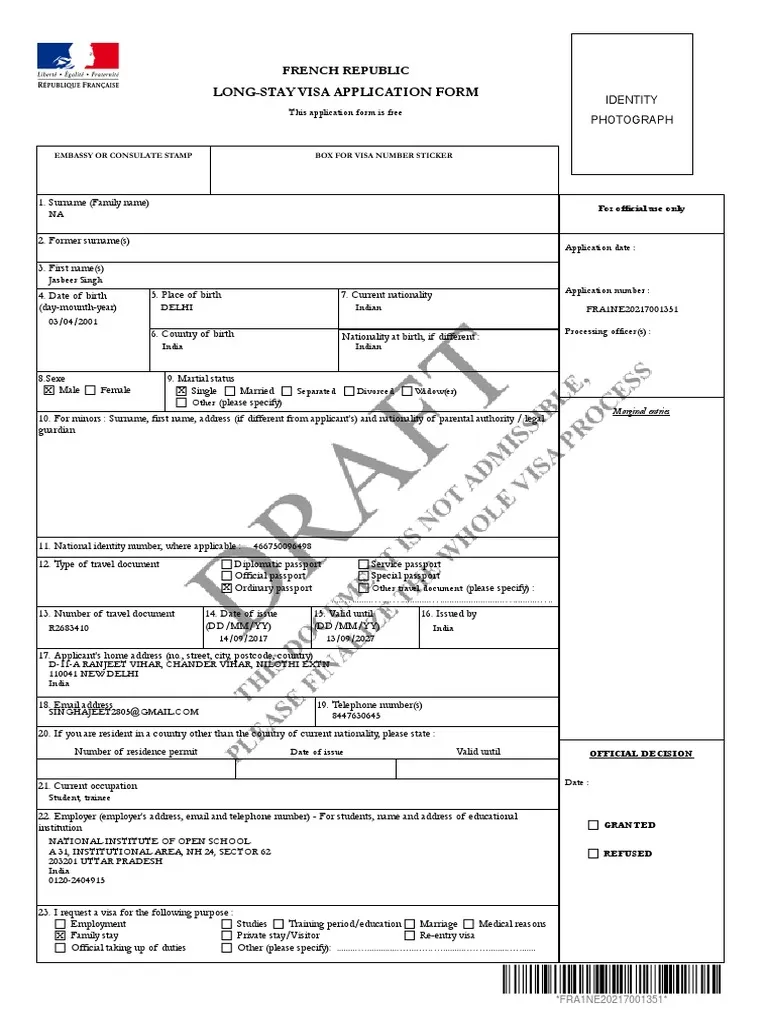
If you entered on a long-stay visa that doubles as a residence permit (VLS-TS), you must validate it online within three months of arrival. Go to the French Ministry of Interior website (administration-etrangers-en-france.interieur.gouv.fr), create an account, and follow the steps: you'll need your visa details, date of arrival in France, a French address, and to pay the residence permit validation fee (€50 for VLS-TS validation). This can be done from home on a computer. If you don't have a French bank card, you can buy an electronic stamp (timbre électronique) in cash at a tobacco shop (tabac) kiosk or designated terminal. Once done, the site issues an attestation. Keep this proof, as it legally validates your stay. Failure to validate within 3 months means your visa expires. If in doubt, ask your university's international office for guidance on the process.
Register at City Hall if Required (some locales require registering address)
In most of France, foreign students aren't required to formally register with the town hall, but local requirements vary. Check if your city asks new residents to declare their address. In Paris and other large cities, you may be asked to present proof of residence (attestation de domicile) for certain procedures (like opening an account or renewing a visa). If you live in a university residence, the housing office often handles this. Otherwise, you can visit your mairie (city hall) with your rental contract and ID to request a domicile certificate (justificatif de domicile). Having this can simplify dealing with administrations that need French address proof. When in doubt, ask your landlord or university for the latest advice on city hall registration in your area.
Part-Time Job Opportunities for Students
Working part-time is a great way for international students in France to earn extra income, gain valuable work experience, and immerse themselves in French society. As a student with a valid residence permit, you are allowed to work up to 964 hours per year (about 20 hours per week) alongside your studies. To receive your wages and manage monthly payments, you'll need to open a French bank account—this is essential for all students planning to work in France.
Many universities and higher education institutions offer on-campus job opportunities, such as research assistantships, administrative roles, or positions in student services. These jobs are often flexible and tailored to fit around your class schedule. In large cities like Paris, Lyon, and Marseille, you'll also find a wide range of part-time positions in the service sector, retail, hospitality, and more. Popular student jobs include tutoring, babysitting, and working as a server or barista.
To find part-time work, start by visiting your university's career services office, which can connect you with job listings and local employers. You can also attend job fairs, check online job boards, or explore opportunities posted on campus notice boards. Remember, having a French bank account and up-to-date residence permit is crucial for employment, as employers will require these details to process your pay.
By taking advantage of part-time job opportunities, you'll not only supplement your income but also build new skills, expand your network, and experience French working culture firsthand.
Conclusion – Thriving as a Student in France
Moving abroad is an adventure, and France offers incredible academic and cultural opportunities. Stay organized and proactive: use your university's international student services, orientation mentors or student unions whenever you hit a snag. There's a network ready to help – from campus advisors and French student buddies to expat communities online. Remember, seeking help is a smart step, not a weakness. If administrative hurdles seem complex (visas, health registration, housing), you can even turn to professional support like Hiliv to guide you through the paperwork so you can focus on studying and exploring France. Embrace the experience – try French food, travel a bit, and learn from each challenge. With patience and an open mind, you'll soon feel at home. Bonne chance et bienvenue en France !
Can I work while studying in France?
Yes, international students with a valid VLS-TS visa or residence permit can work up to 964 hours per year (approximately 20 hours per week).
Is healthcare free for international students in France?
Registration with the French Social Security is free and mandatory for non-EU students. It covers about 70% of medical costs. EU students use their EHIC card.
How do I open a bank account in France?
You need your passport, proof of student status, and proof of address. You can choose between traditional banks (BNP Paribas, etc.) or online banks (Revolut, N26).
What is the CVEC fee?
The "Contribution à la Vie Étudiante et de Campus" is a mandatory annual fee (around €100) that contributes to student services. You must pay it before enrolling.
Do I need to speak French to study in France?
Not necessarily if your program is in English. However, learning basic French is highly recommended for daily life and integration.