Cost of Living in Spain: The 2026 Guide for Expats
Discover the budget needed to live in Spain in 2026. Our complete guide details housing, food, transportation, and leisure costs for expats.

International Mobility Expert

Living in Spain in 2026 remains attractive for expatriates, as the cost of living is generally lower than in many Western European countries. This article serves as a practical guide to help you understand the budget specifics required for settling in this country. Spain stands out as a top destination for expatriation, thanks to its pleasant living environment and diverse opportunities.
On average, everyday expenses (rent, food, leisure) are 20–30% cheaper than in France or the UK. The central question many expats ask is: what will the cost of living in Spain be in 2026? Several factors influence this cost, including housing, food, the chosen region, and lifestyle.

A Cost of Living Generally Lower Than Other Western Countries
Spain ranks among the most affordable Western European countries for daily living. Costs related to housing, food, services, and leisure vary by region but remain generally more affordable than in many other European nations. Depending on the chosen region, the monthly financial requirement for comfortable living may differ, but it generally remains lower than that required in other Western European countries.
Housing: Outside Madrid and Barcelona, property prices and rents remain attractive. Food: Fruits, vegetables, and other fresh local products are affordable (short supply chains, large agricultural production).
Restaurants and dining out: The famous menú del día (daily menu) costs an average of €10–15 in Spain, compared to €20–25 in France or the UK. A draft beer generally costs €2–3 in Spain, versus €5–7 in other countries.
The Spanish healthcare system, largely public and free for residents, is a major asset that reduces health expenses compared to many other countries.
These price differences give expats and tourists from Northern Europe better purchasing power in Spain. French and British retirees particularly benefit from this attractive quality-price ratio, especially since some expenses are reduced thanks to favorable local taxation. Thanks to the quality of the Spanish healthcare system and favorable taxation, it is often possible to live more comfortably in Spain than elsewhere for the same budget.
Quality of Life in Spain
The quality of life in Spain attracts many expats, and it's no coincidence. The Mediterranean climate, with its mild winters and sunny summers, allows outdoor activities year-round, whether living in Madrid, Barcelona, or a smaller city. Life in Spain is marked by a warm and friendly culture, where people take time to savor each moment, whether over coffee on a terrace or during the many local festivals.
Spanish social security, accessible to residents, contributes to expats' peace of mind, as does the quality of healthcare and education infrastructure. Large cities like Madrid and Barcelona offer a wide range of services, cultural activities, and leisure options, while medium-sized cities and rural areas provide a more relaxed pace of life, a family atmosphere, and a strong sense of community.
Spain's rich and varied cultural heritage can be discovered through art, gastronomy, traditions, and the country's unique landscapes. For many expats, geographical proximity and ease of communication make expatriation to Spain particularly accessible, while allowing them to stay close to family and friends. Whether seeking the excitement of large cities like Madrid and Barcelona or the gentle lifestyle of a small town, life in Spain offers an ideal balance between quality of life, pleasant climate, and cultural richness.
Votre planning administratif pour partir en Espagne
Générez gratuitement votre calendrier personnalisé de toutes vos démarches pour votre expatriation.
Vos données sont protégées et sécurisées
Attractive Cities for Expats
Spain is full of attractive cities for expats, each offering a unique living environment and specific advantages. Madrid and Barcelona remain the flagship destinations, appreciated for their dynamism, exceptional cultural offerings, and neighborhood diversity. These large cities attract those seeking a wide range of jobs, leisure activities, and services, while enjoying remarkable cultural heritage.
However, many expats also choose to settle in cities like Valencia, Seville, or Alicante, which combine a more affordable cost of living, pleasant climate, and high quality of life. These cities offer an excellent compromise between urban animation and relaxed atmosphere, with beaches, parks, and vibrant local life.
Coastal regions such as the Costa del Sol and Costa Blanca particularly attract those seeking sun, beautiful landscapes, and a more peaceful pace of life. These destinations are ideal for enjoying the sea, nature, and an international atmosphere, while benefiting from a cost of living often lower than that of major metropolises. Whether preferring the excitement of Madrid and Barcelona or the gentle lifestyle of coastal cities, Spain offers a great diversity of choices for successful expatriation.
Housing – The Main Expense Item
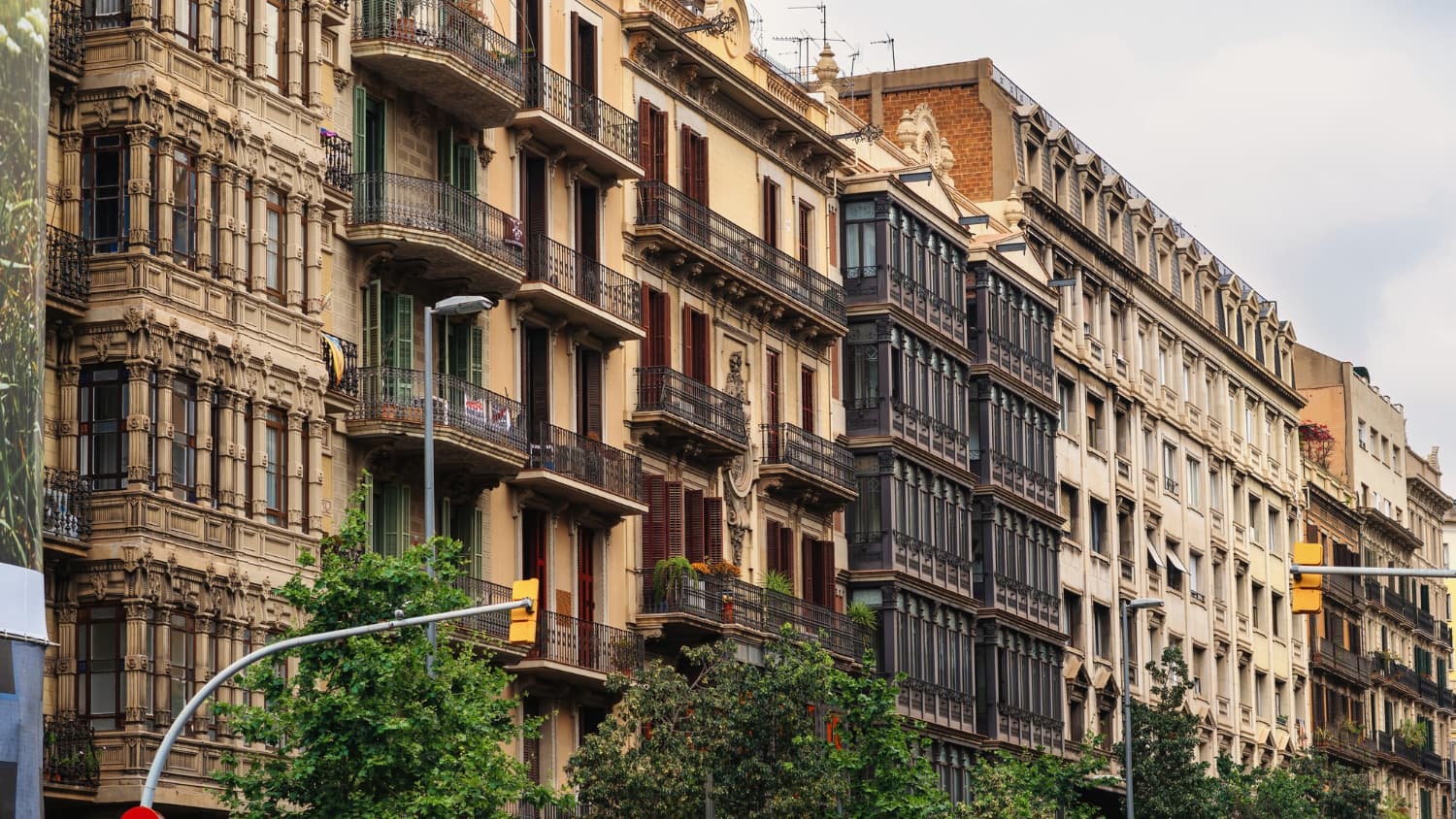
Housing remains the most significant expense for an expat. In Spain, housing costs are on average lower than in many Western countries for comparable quality – especially outside major metropolises. The housing offering is very varied by region, ranging from modern city-center apartments to traditional houses in the periphery or small towns.
Large Cities vs Medium-Sized Cities
- Madrid / Barcelona (city center): approximately €800 to €1,200 per month for a one-bedroom apartment. These rents can even reach €1,500 in the most expensive neighborhoods. Housing costs in a large city like Madrid or Barcelona remain significantly higher than in a medium-sized city.
- Medium-sized cities (Valencia, Seville...): a studio or one-bedroom costs approximately €500 to €800 per month.
- Smaller cities / periphery (Alicante, Granada, etc.): rents drop to €350–600 for a small apartment.
Living in provincial Spain (even near the coast) allows for housing at a budget well below that of major metropolitan areas like London or Paris. It's not uncommon to find a comfortable three-bedroom apartment in Valencia for less than a studio in Paris.
Real Estate Purchase
The Spanish real estate market attracts many foreigners thanks to its attractive prices and the diversity of available properties. Buying a house or apartment in Spain also costs less than in many other countries. Average prices are particularly low outside the major capitals: around €2,000 per square meter in many areas (versus €3,000–5,000 in France or the UK). Real estate purchases are common along the coasts: for example, a three-room house in Andalusia can be negotiated between €150,000 and €200,000. Additionally, some provinces offer installation assistance to attract foreigners. It's important to research local regulations and get proper guidance when acquiring property in Spain.
Utilities and Energy
An electricity bill of around €80–100 per month is common for a household (air conditioning in summer consumes a lot). Water and gas rates are similar to other Western countries. There is no annual housing tax in Spain; however, property owners pay a local property tax, the IBI, generally lower than in France or the UK. A small municipal waste collection tax, called basura, is sometimes added (a few dozen euros per year).
Votre planning administratif pour partir en Espagne
Générez gratuitement votre calendrier personnalisé de toutes vos démarches pour votre expatriation.
Vos données sont protégées et sécurisées

Food and Groceries
Grocery shopping costs 10–20% less than in France or the UK. Spanish supermarkets practice competitive prices, and local markets offer fresh products at very attractive rates. Average food costs in Spain remain more affordable than in many other European countries. For example, a kilo of apples costs around €2.10 in Spain versus €2.80 in France, and a kilo of chicken around €7.00 (vs €12.00 in France). A single person can budget €200–250 per month for groceries. A significant portion of the monthly budget is thus devoted to food and dining out, but it remains reasonable thanks to moderate prices.
Restaurants: The menú del día (starter, main, dessert, drink) costs around €10–15, while a daily menu in France costs around €20–25. For an à la carte meal, expect €25–30 per person in Spain versus €40–50 in France. Tapas are another economical option: with 3–4 tapas and a drink, you can eat for €10–15 per person. Wines and beers are also much cheaper: a bottle of local wine can be found around €5, and a draft beer at €2–3. These prices allow for more frequent dining out without breaking the budget.
Transportation
Public Transportation
Public transportation subscriptions (metro, bus, tram) are significantly cheaper than in major cities like Paris or London. A monthly pass costs around €30–55 in Madrid (versus over €80 in Paris). Single tickets cost €1.50–1.70. Taxis and ride-sharing services are also about 30% cheaper. Costs of different transportation modes vary by city and service type but remain generally more affordable than in many other countries. Access to public transportation generally requires an ID and sometimes proof of residence to obtain a subscription.
Car
Fuel prices are around €1.50 per liter, slightly lower than in many Western countries. Many highways are now free, reducing long-distance travel costs. Car insurance is about 20–30% cheaper than in France or the UK, and maintenance often costs less. Car-related costs also include insurance, maintenance, and possible parking fees, which vary by region. Driving requirements in Spain include a valid license, proper insurance, and vehicle documents.
Train and Plane
High-speed trains (AVE) connect major Spanish cities. A Madrid–Barcelona ticket booked in advance can cost €30–40. Long-distance buses and low-cost airlines also allow budget travel, with for example a Valencia–Paris round trip for less than €100. Carpooling (BlaBlaCar) is also very popular.
Health and Education
Healthcare
The Spanish public healthcare system is free for residents and provides access to both public and private healthcare. Basic care, specialists, and hospitals are accessible without upfront payment. Many expats take out private health insurance to reduce waiting times: around €50–80 per month depending on the profile, which represents part of the monthly budget to plan. Private health insurance costs remain affordable compared to other countries. Even with this expense, the health budget remains lower than in many other places.
Education
Spanish public education is free for all children, including foreigners. Private or international schools (French, English-speaking...) are paid: €300–500 per month on average for a French establishment, up to €10,000 per year for high-end international schools. Education costs vary according to the type of establishment, but overall, education remains less expensive than in many other countries. Part of expat families' budget is therefore devoted to education, depending on the choice between public and private.
Job Market and Employment Opportunities
The Spanish job market presents many opportunities for expats, although competition can be strong in certain sectors. Large cities like Madrid and Barcelona concentrate most job offers, particularly in technology, healthcare, tourism, and services. These metropolises attract qualified professionals, recent graduates, and entrepreneurs looking for new challenges.
In medium-sized cities or rural areas, opportunities are more in agriculture, construction, hospitality-catering, and personal services. The Spanish job market values flexibility and adaptability, and it's often necessary to open up to new sectors or versatile positions to succeed in integration.
Mastering Spanish is an undeniable asset for accessing a wider range of jobs, but many positions are also accessible to expats speaking English or French, particularly in international companies, schools, or the tourism sector. Large cities like Madrid and Barcelona offer a cosmopolitan environment where it's possible to develop a professional network and seize varied opportunities. To succeed in the Spanish job market, it's advised to be proactive, showcase your skills, and adapt to local specificities.
Votre planning administratif pour partir en Espagne
Générez gratuitement votre calendrier personnalisé de toutes vos démarches pour votre expatriation.
Vos données sont protégées et sécurisées
Taxes and Taxation
Spain applies income tax with national and regional scales, sometimes more advantageous than in other countries. Tax conditions for expats vary according to region and residence status, so it's important to get informed before settling.
Did you know?
VAT is 21% (versus 20% in France, similar to UK). There is no housing tax, and property tax (IBI) remains lower than in many countries. Overall, tax pressure is competitive, especially with foreign salaries or income.
Typical Monthly Budget
- Single expat in Madrid/Barcelona: €1,700–2,000 per month. This financial requirement covers housing, food, and daily expenses for a single person in a large Spanish city.
- Single expat in Valencia or Andalusia: €1,200–1,500 per month. The monthly requirement is lower here, allowing comfortable living in these regions with a more modest budget.
- Family of 4 in Madrid: €3,000–3,500 per month. The financial requirement for a family includes housing, food, education, and leisure.
For comparison, the average salary in Spain is around €1,800 net per month, meaning a single expat in Madrid or Barcelona will need a budget equivalent to or above the average salary to maintain a good standard of living. These budgets represent approximately half of what's needed to live comfortably in the Paris region.
Salary Comparison and Purchasing Power
The average salary in Spain is lower than in France or the UK (minimum wage around €1,100 net), which directly impacts the local standard of living. However, for an expat benefiting from a salary from their home country or working remotely, purchasing power in Spain is generally higher. That's why many remote workers and digital nomads settle in Spain to enjoy a better ratio between income and cost of living.
Money-Saving Tips:
- Shop at local markets to reduce grocery costs.
- Compare energy providers to find the lowest rates.
- Use long-distance buses or carpooling for your trips.
- Negotiate rents for long-term leases.
- Favor local shops and restaurants.
By applying these tips, it's possible to further reduce expenses without losing comfort.
Votre planning administratif pour partir en Espagne
Générez gratuitement votre calendrier personnalisé de toutes vos démarches pour votre expatriation.
Vos données sont protégées et sécurisées
Conclusion
Living in Spain in 2026 offers exceptional value for money. Spain offers many advantages for expats, including affordable rent, cheap food, and a free public healthcare system, allowing for a high standard of living on a reasonable budget. Thanks to its pleasant climate and the warmth of its inhabitants, daily life is particularly enjoyable. The richness of Spanish art and culture also contributes to a unique and inspiring lifestyle. Expats can afford more outings, travel, and leisure than in many other countries, with equal income.
Expatriation to Spain is an accessible and advantageous project for those wishing to change their life. However, it's important to properly prepare your installation: before departure, anticipate the main administrative procedures, such as opening a bank account, presenting valid ID, and obtaining necessary documents. To simplify formalities, using an expatriation support service, like Hiliv, can be an excellent option to save time and energy. Expatriating to Spain thus allows you to fully enjoy all these benefits.