Buying Property in Spain as a Foreigner: Complete 2026 Guide
Learn how to buy a house in Spain as a foreigner. Understand steps (NIE, bank account, contracts), costs (taxes, fees), pitfalls to avoid, and special tips for Americans in our complete 2026 guide.

International Mobility Expert

Last updated: September 2026
Buying Property in Spain as a Foreigner: Complete 2026 Guide
Can Foreigners Buy Property in Spain?
Yes, foreigners can legally buy property in Spain, with no nationality or residency requirement for ownership. Spanish law allows citizens of the EU, the US, the UK, and other countries to purchase homes in Spain, although foreign buyers must complete a few extra formalities before closing, including obtaining a Spanish tax ID (NIE).
If you are buying property in Spain as a non-Spanish buyer and want clear guidance on the legal, financial, and practical steps, this article explains what to prepare before completion. It covers eligibility, the NIE and other documents, bank accounts and proof of funds, property checks and inspections, taxes and extra purchase costs, common mistakes to avoid, and key points for American buyers, including how ownership does, and does not, affect residency. A proposed additional tax of up to 100% on property purchases by non-EU, non-resident buyers was submitted to the Spanish Parliament in 2025 but, as of 2026, has not been debated or passed into law. It does not currently apply, and it does not prohibit foreign ownership, so understanding the current rules early can help you avoid delays, unexpected costs, and compliance problems.
Do You Need Spanish Residency to Buy Property?
No. You do not need to be a Spanish residentor citizen to buy a home there. Many buyers purchase from abroad. However, if you are a non-resident you'll owe taxes only on your Spanish-sourced income, whereas residents are taxed worldwide. Crucially, whether you live in Spain or not, you must obtain a Número de Identificación de Extranjero (NIE)and register for Spanish taxes before closing the deal. (The NIE is required even for Spanish citizens who live abroad.) Having residency status is not required for the purchase itself, but if you plan to move to Spain you'll need the appropriate visa or residence permit, as buying a property no longer grants residency rights by itself. See our moving to Spain checklist if relocation is part of your plan.
Step 1: Get Your NIE
Every foreign buyer must have an NIE number, the Foreigner Identification Number and Spanish tax identification number required for buyers under the legal requirements for purchasing property. This unique tax ID is mandatory for signing the sale deed, handling real estate purchases, paying taxes, getting a mortgage or opening a bank account. You can obtain an NIE at a Spanish consulate abroad or directly in Spain at a police station or immigration office listed by the Ministerio del Interior. This process can take a few weeks, so start early. (Tip: services like Hiliv's NIE Express (100% online) can help you apply remotely from your home country.)
Start your NIE early
The NIE is needed for the notary deed, Agencia Tributaria filings and most bank accounts. Delays here often push back your entire completion timeline. Read our guide to getting your NIE quickly for practical timelines.
Get your NIE Express 100% remotely
Obtain your white NIE without traveling to Spain thanks to our 100% online service with legal representation.
More than 200 NIE Express issued
Step 2: Organize Banking and Proof of Funds
Spain does not legally require buyers to use a Spanish bank account for a property purchase, but in practice it's highly recommended. A local account makes it far easier to transfer the deposit, handle taxes (e.g. transfer tax or VAT), notary fees, utilities and any mortgage payments, and to budget beyond the listing price so you can cover taxes and related fees. Opening an account usually requires your passport and NIE. Services are available (like Hiliv's Bank Account Opening) to help foreigners set up an account remotely or on arrival. For a full walkthrough, see how to open a bank account in Spain.
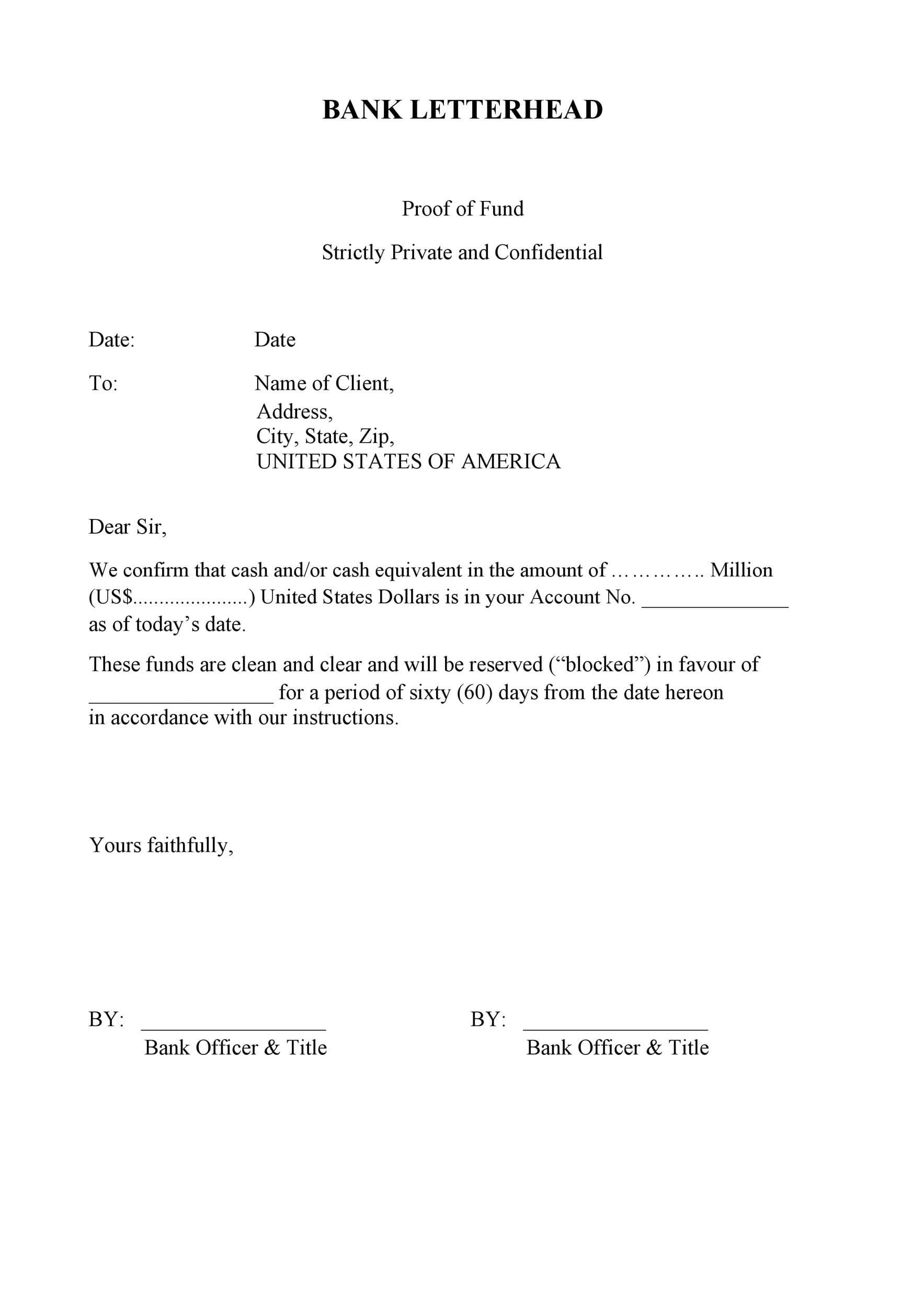
Proof of funds: Before signing, the seller or notary will often ask for evidence that you have the money ready (especially if you take a mortgage). Spanish anti-money-laundering laws require banks and notaries to verify the source of your funds. You should prepare recent bank statements or other documentation (gift letters, sale of other assets, etc.) to show you can cover the purchase price. If you are transferring money from abroad, currency exchange costs can also affect the total amount you need to send.
Step 3: Find and Verify the Property
Look for properties through a reputable real estate agency or a real estate agent, but verify everything independently. Be cautious of deals that seem too cheap: hidden problems may lurk. It's wise to visit the property in personif possible, or hire a local expert to inspect it, while an independent Spanish lawyer or property lawyer should handle the legal due diligence rather than relying only on the agent. For international buyers, a service like Hiliv's Housing Search can connect you with trustworthy agents and listings. You may also find useful context in our housing guide for foreigners in Spain.
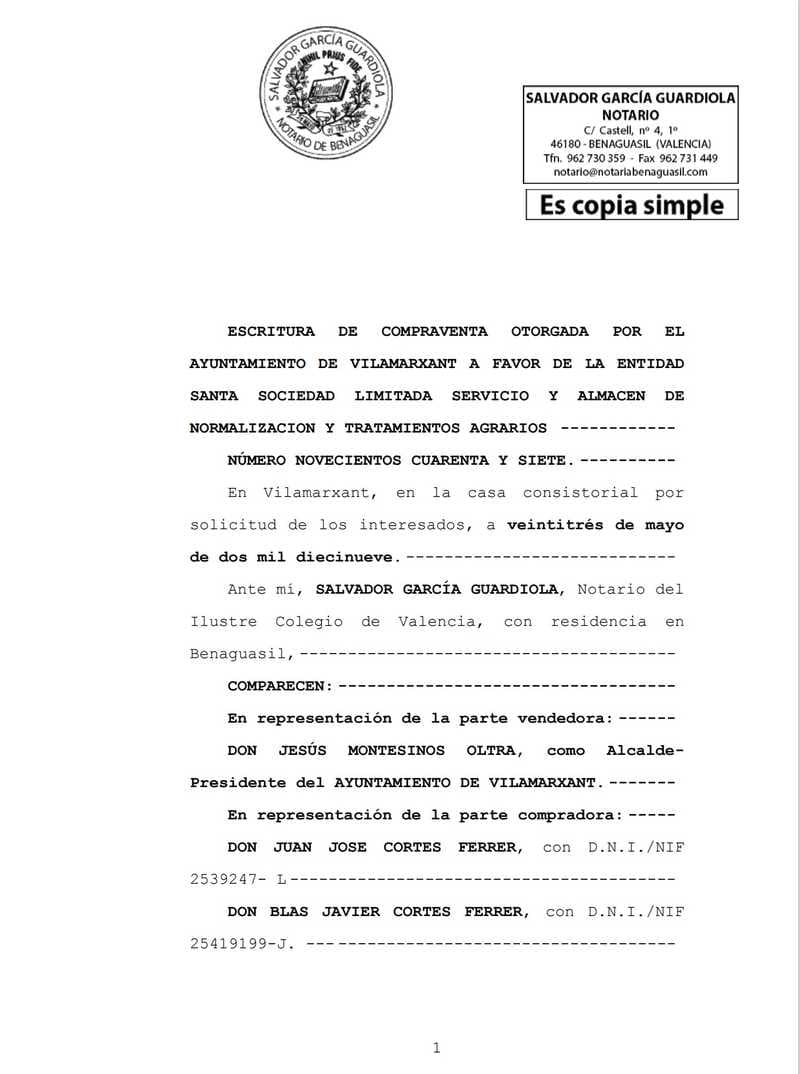
- •Property Registry: Before signing any contract, obtain a Nota Simple (registry extract) from the Registro de la Propiedad, the Spanish Land Registry. This official record shows the legal owner's name, the exact property details and any registered mortgages, liens or encumbrances. It confirms ownership, the property description, and the property's legal status, so you know the seller really owns the home and that you will receive a clean title.
- •Legal Checks: Hire an independent lawyer who specializes in Spanish real estate. They will review all paperwork, ensuring there are no debts, liens, restrictions, or other legal status issues. For example, verify that all property taxes (IBI, etc.) are up to date, that the escritura(deed) matches what's sold, and that community fees are current. Under Spanish law, an unpaid community-fee debt attaches to the property, so a new owner can become liable for the current year plus up to three previous years' unpaid fees. Check that the building has all proper permits and licenses. Some older or rural properties in Spain were built without a "licencia de primera ocupación," which can cause big problems (even demolition orders).
- •Physical Inspection: Spain has no mandatory home inspection law, so buyers often skip it, a risky move. A professional arquitecto técnicoor surveyor can uncover hidden issues (e.g. structural cracks, dampness, illegal extensions) that are not obvious on a casual walk-through. It's especially important for older homes. The cost of an inspection (often €400–€1,000) is small compared to potential repair bills.
Taxes and Costs When Buying Property
In Spain the buyer typically pays all transfer taxes and notary/registration fees (with some regional variations). You should budget roughly 10–14% of the purchase price on top of the agreed sale price to cover these expenses. Key items include:
- •Transfer Tax (ITP): If the property is resale (second-hand), you pay ITP, a regional tax usually ranging from 6%–13%of the price depending on the autonomous community and, in some regions, the price bracket (e.g., Valencia's general rate drops from 10% to 9% for purchases signed from 1 June 2026 onward).
- •VAT (IVA): If it's a new-build from a developer, you pay VAT at 10% (on residential property). For commercial property, VAT is 21%. When VAT applies, you do not pay ITP.
- •Stamp Duty (AJD): For most deeds (purchase deed, mortgage deed), a small Stamp Duty applies, typically 0.5%–1.5%depending on the region and document. For example, Valencia's general AJD rate drops from 1.5% to 1.4% for deeds signed from 1 June 2026 onward.
- •Notary & Land Registry Fees: Expect roughly 1–2% of the price in fees for the notary public and for registering the sale at the Land Registry. These are regulated by law and usually scale with the property value.
- •Legal Fees: Your lawyer's fee is separate, often about 1% of price (or a fixed rate). A lawyer protects your interests through the process.
- •Mortgage Costs: If using a mortgage, the bank will charge valuation and arrangement fees; plus, they pay the AJD on the mortgage deed (by law, since 2018, the bank pays AJD on mortgages). Still, confirm who pays what with your lender.
Ongoing Taxes:After purchase, as a property owner you'll face annual taxes and fees. These include municipal property tax (IBI), community of owners (HOA) fees (if applicable), and, for non-residents, Spain's annual non-resident income tax(Modelo 210) even if you don't rent it out. You may also owe wealth tax on high-value assets, including the separate Solidarity Tax on Large Fortunes for net wealth above €3 million. Plan for these in your budget. For broader fiscal context, see taxes and taxation in Spain and official guidance from the Agencia Tributaria.
Need help with your expatriation to Spain?
Our experts accompany you in all your administrative procedures and installation.
Common Pitfalls When Buying Property in Spain
Buying abroad can be daunting. Some common mistakes to avoid:
- •Delaying the NIE or Missing Paperwork:A foreigner's tax ID (NIE) is needed for everything before signing the deed. Buyers who wait too long to apply can face delays. Always obtain your NIE well in advance.
- •Underestimating Total Costs:Don't focus only on the sale price. Hidden costs (taxes, fees, maintenance) can add 8–13% or more on top of the price. For example, for a €500,000 home you might owe €40,000–€65,000 extra. Failing to budget all costs (especially taxes and community dues) can strain your finances later.
- •Skipping Professional Inspection: Many foreign buyers rely solely on agent photos or a quick look, but Spanish homes (particularly older ones) may have hidden defects. Investing in a technical survey often saves money by identifying problems early.
- •Rushing the Process: Spanish bureaucracy moves at its own pace. Rushing or missing steps like the reservation contract (arras) or not verifying licenses can cause legal troubles. Always double-check the title, zoning (urban planning), and that no local planning restrictions or coastal laws impede the sale.
- •Financing Surprises: Non-EU buyers typically get lower loan-to-value ratios. Spanish banks often lend only 60–70% of the property value to non-residents, requiring larger down payments. Be prepared to finance more of the purchase with cash if needed.
- •Not Checking the Comunidad de Propietarios:If you buy an apartment or townhouse, you automatically join the local homeowners' association. Check that the seller has no unpaid debts to the community, and that the community hasn't passed unexpected special assessments (like sudden renovation fees). Some communities can also vote, by a qualified majority, to restrict or ban short-term rentals, which can affect plans to rent your property.
Avoiding these pitfalls means hiring good local advisors (lawyer, gestor or gestoría) and doing thorough due diligence. Reliable experts can help navigate Spanish property law's quirks and paperwork.
Due diligence checklist
Before you sign arras or the final deed, confirm: updated Nota Simple, paid IBI and comunidad fees, valid occupancy license where required, and independent legal review of the escritura. Understanding NIF, NIE, CIF and DNI helps you read contracts and tax forms correctly.
Buying Property as an American
U.S. citizens have the same rights as any other foreigner when buying in Spain. There are no extra nationality-based restrictions: you do notneed to be resident, and you don't lose any rights by being American. You still need an NIE, a Spanish bank account, and you go through the normal process.
Keep in mind some practical points for Americans:
- •Currency and Financing:Since you'll be paying in euros, plan for exchange rates, because currency exchange margins can materially change the final cost for U.S. buyers moving funds into euros. Some Americans use large international transfers or currency specialists. Spanish banks treat Americans like other non-residents: expect lower LTV mortgages and the usual documentation requirements, and secure mortgage approval early because non-resident buyers often face stricter lending conditions.
- •Military or Protected Areas:Spanish law restricts foreign purchases of properties near certain military or strategic sites. These zones are very limited, but it's one of the only special cases where non-EU buyers may need extra government approval. If you're looking at a unique property (e.g. coast or near military base), double-check before committing.
- •U.S. Taxes:Owning property abroad has U.S. tax implications (e.g. FBAR, IRS Form 8938, potential capital gains tax on sale). Consult a cross-border tax advisor. Spain has tax treaties with the U.S. to avoid double taxation on income, but you'll still file in both countries. If you rent out the home, you may also need to declare rental income and potentially pay rental income tax in Spain, which is especially relevant for non resident property owners. (This goes beyond the buying process, but is important for long-term owners.)
- •Closing Costs: Americans can expect similar fees to other foreigners. The notorious 3% withholding tax applies if you sell as a non-resident, so keep that in mind for future resale profit.
In summary, as an American buyer you follow the same steps: get your NIE, arrange funds, hire help, and close the deal. Foreign status doesn't bar you from owning, but it shapes taxes and visas.
Does Buying Property Give You Residency?
No. Simply buying property in Spain does not grant you residency or citizenship. You cannot live in Spain full-time just by owning a home there. Spain's real estate Golden Visa program (which offered residency permits in exchange for investments including €500,000 in real estate) was suspended for new applicants in April 2025. For reference, until 2025 buying a €500K+ property could lead to a fast-track visa, but that option has ended. Read our detailed Golden Visa Spain guide for what changed and which visa routes remain.
Today, if a foreign owner wants to live in Spain, they must apply through the regular immigration channels (work visa, non-lucrative visa, retiree visa, etc.), and some routes may require private health insurance. Property ownership can sometimes help strengthen certain visa applications (showing financial means), but it's not a standalone pathway.
What changed after the Golden Visa ended?The Golden Visa's closure means property purchases no longer come with any immigration benefit. Separately, a proposal to add a tax of up to 100% on purchases by non-EU, non-resident buyers was announced in January 2025 and formally submitted to the Spanish Parliament in May 2025, but as of 2026 it had still not been debated or brought to a vote, so it is not currently in force. In practice, this means foreign buyers should approach property purely as buyers, not as an immigration shortcut, while keeping an eye on whether this proposal advances. Buyers interested in residency should keep immigration planning separate from real estate investment decisions.
Hiliv helps international buyers handle the administrative backbone of a Spanish property purchase: securing your NIE, opening a Spanish bank account, and connecting you with trusted housing search support. Whether you are buying a holiday home from abroad or preparing a future move, we streamline the paperwork so you can focus on choosing the right property and closing with confidence.
Frequently Asked Questions About Buying Property in Spain as a Foreigner
Can foreigners legally buy property in Spain in 2026?
Yes. Spanish law allows citizens of the EU, the US, the UK and other countries to purchase homes in Spain, with no nationality or residency requirement for ownership. Foreign buyers must complete extra formalities before closing, including obtaining a NIE.
Do I need to live in Spain to buy a property there?
No. You do not need to be a Spanish resident or citizen to buy a home. Many buyers purchase from abroad. Non-residents are taxed only on Spanish-sourced income, while residents are taxed worldwide. You still need a NIE and Spanish tax registration before signing the deed.
How long does it take to get a NIE for a property purchase?
Processing times vary by consulate or police office, but the NIE application often takes a few weeks. Because the NIE is mandatory for signing the sale deed, paying taxes and opening a bank account, start the process early. Hiliv's NIE Express (100% online) can help you apply remotely from your home country.
Do I need a Spanish bank account to buy property in Spain?
Spain does not legally require a Spanish bank account for a property purchase, but in practice it is highly recommended. A local account simplifies deposit transfers, tax payments, notary fees, utilities and mortgage payments. Opening an account usually requires your passport and NIE. See our guide on how to open a bank account in Spain.
What is a Nota Simple and why do I need it?
A Nota Simple is an official extract from the Registro de la Propiedad (Spanish Land Registry). It shows the legal owner, property details and any registered mortgages, liens or encumbrances. You should obtain one before signing any contract so you know the seller truly owns the home and that you will receive a clean title.
How much should I budget on top of the purchase price?
Buyers typically pay all transfer taxes and notary/registration fees. Budget roughly 10–14% of the purchase price on top of the agreed sale price. Resale properties attract ITP (6–13% depending on region), new builds attract 10% VAT instead of ITP, plus stamp duty, notary fees, legal fees and possible mortgage costs.
What taxes do non-resident property owners pay after purchase?
Ongoing costs include municipal property tax (IBI), community fees if applicable, and Spain's annual non-resident income tax (Modelo 210) even if you do not rent the property. High-value assets may also trigger wealth tax or the Solidarity Tax on Large Fortunes above €3 million net wealth. Our guide to taxes in Spain covers the broader picture.
Can I get a mortgage in Spain as a non-resident?
Yes, but Spanish banks often lend only 60–70% of the property value to non-residents, requiring larger down payments than for residents. Secure mortgage approval early, prepare proof of funds and expect stricter documentation under anti-money-laundering rules enforced by banks and notaries.
Does buying property in Spain give me residency or a Golden Visa?
No. Simply buying property does not grant residency or citizenship. Spain's real estate Golden Visa program was suspended for new applicants in April 2025. If you want to live in Spain, apply through regular immigration channels such as the Non-Lucrative Visa or retirement visa routes.
Is the proposed 100% tax on non-EU non-resident buyers in force?
No. A proposal to add a tax of up to 100% on purchases by non-EU, non-resident buyers was submitted to the Spanish Parliament in 2025, but as of 2026 it had not been debated or passed into law. It does not currently apply and does not prohibit foreign ownership.
What are comunidad de propietarios debts and why do they matter?
If you buy an apartment or townhouse, you join the local homeowners' association. Under Spanish law, unpaid community fees can attach to the property: a new owner may become liable for the current year plus up to three previous years' unpaid fees. Always verify that community dues are current before closing.
Should I hire a lawyer and a surveyor when buying in Spain?
Yes. An independent Spanish property lawyer should review paperwork and perform legal due diligence rather than relying only on the agent. Spain has no mandatory home inspection law, so a professional arquitecto técnico or surveyor (often €400–€1,000) can uncover structural or licensing issues, especially in older homes.
What should American buyers know about taxes when owning in Spain?
U.S. citizens follow the same purchase process as other foreigners but should plan for currency exchange, possible restrictions near military zones, and U.S. reporting (FBAR, IRS Form 8938, capital gains on sale). Spain and the U.S. have tax treaties to reduce double taxation on income, but you may still file in both countries. Consult a cross-border tax advisor for long-term ownership.
Can Hiliv help with the administrative steps of buying property in Spain?
Yes. Hiliv supports international buyers with remote NIE applications, bank account opening and housing search services so you can handle legal and tax formalities before and during your purchase.