CVEC Fee & INE Number – How to Pay France's Student Contribution
Complete guide to the CVEC student fee in France: what it is, how to get your INE number, step-by-step online payment on cvec.etudiant.gouv.fr, exemptions, proof of payment, refunds, and enrolment tips for international students.

International Mobility Expert

France requires most higher education students to pay an annual Student and Campus Life Contribution, known as the CVEC (Contribution de Vie Étudiante et de Campus). The CVEC is officially called the 'contribution vie etudiante et de campus' (contribution vie etudiante), and is a mandatory contribution (campus contribution) required by law for all students enrolling in French higher education. This mandatory contribution supports student services such as social, health, cultural, and sports activities.
In this guide, we'll explain what the CVEC is, why you need to pay it, how to obtain your INE number (student ID number in France), and provide a step-by-step walkthrough for paying the CVEC. We'll also cover who is exempt, how to get your proof of payment, and answer common FAQs (late payment, refunds, etc.) to ensure a smooth university enrolment, with some help from Hiliv if needed.
Need help with your student visa for France?
Our team of experts guides you through all the steps to obtain your French student visa.
More than 300 student visas obtained
What Is the CVEC and Why Must You Pay It?
The CVEC is a mandatory annual student fee in France designed to improve student life on campus. CVEC stands for Contribution de Vie Étudiante et de Campus, which translates to Student and Campus Life Contribution. The official term for this fee is 'contribution CVEC'. This fee was introduced by law in 2018 as part of the "Student Orientation and Success" reforms to fund services that enhance the student experience. The CVEC is a key element of the legal framework aimed at promoting student success and social life by supporting student well-being, social integration, and academic achievement. Every year, the proceeds help universities and student organizations provide better social, health, cultural, and sports support for students, as well as finance preventive healthcare and wellness programs on campus. The CVEC also funds health education initiatives and health education actions carried out to reinforce prevention among students, further supporting their health and safety.
For each academic year, all students registered or enrolling in a French higher education institution (including international students) must pay the contribution vie etudiante et de campus (CVEC) before completing their university registration (unless they qualify for an exemption, which we'll detail later). The CVEC is collected by the CROUS, the regional student services office, on behalf of the government. Payment of this fee is a prerequisite for enrolment: French universities will ask for proof that you have paid (or been officially exempted from) the CVEC when you register for classes. Learn more about the CROUS and its role in student life in France.
How much is the CVEC? The fee is a fixed amount set by the government each year (around €100). For example, the CVEC cost was €103 for the 2024-2025 academic year and is €105 for 2025-2026, unchanged at €105 for 2026-2027. The amount is set by law and adjusted each year based on inflation (INSEE consumer price index), so it can rise slightly from one academic year to the next. Always confirm the current figure on cvec.etudiant.gouv.fr before paying. All students pay the same amount regardless of their program or how long they stay (even if you're enrolling for just one semester, the fee is the same annual rate). If you happen to enroll in two different universities or programs in the same year, you still pay the CVEC only once per year: you can use the same payment certificate at each institution.
In summary, the CVEC is mandatory because it's required by French law to support student services. Paying it is a small investment that helps improve campus facilities and initiatives for everyone. More importantly for you, it's required to finalize your university registration. Now that you know why this student fee exists, let's look at the INE number you'll need in order to pay it. If you are still preparing your arrival, our guide on studying in France covers visa, housing, and enrolment basics alongside this step.
Creating (or Retrieving) Your INE Number
Before you can pay the CVEC online, you'll be asked for your INE number. INE stands for Identifiant National Étudiant, which is your National Student Identifier in France. This is an 11-character ID number assigned to every student in the French education system. If you're a first-time international student in France, you might not have an INE yet, but don't worry, you can easily create one during the account setup process.
How to find or get your INE:
- If you studied in France before: You already have an INE. Students who attended a French high school (lycée) or another French university should find their INE on official documents. For example, your INE is printed on your baccalauréat exam transcript, on past university student ID cards or certificates, or sometimes on grade reports. It's an 11-character code, either 10 digits plus 1 letter or 9 digits plus 2 letters depending on when it was issued. If you have one, keep it handy for the CVEC payment. (If you don't remember it, you may retrieve it by contacting your former school or checking any academic documents you have from France.)
- If you are new to French higher education: You likely don't have an INE yet. In this case, you will generate a provisional INE when creating your student account. The CVEC payment portal (messervices.etudiant.gouv.fr) allows you to indicate "I do not have an INE" ("Je n'ai pas d'INE") during account registration. By choosing that option, the system will create a temporary student identifier for you. This provisional INE is used to pay the CVEC and link your payment to your student profile. Later, after you've enrolled at your French institution, the school will assign you a permanent INE (which may replace the provisional number in their system).
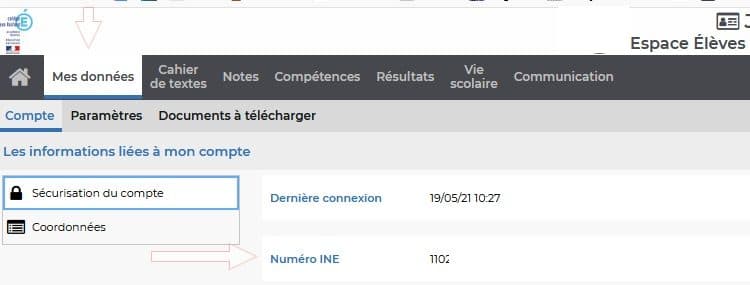
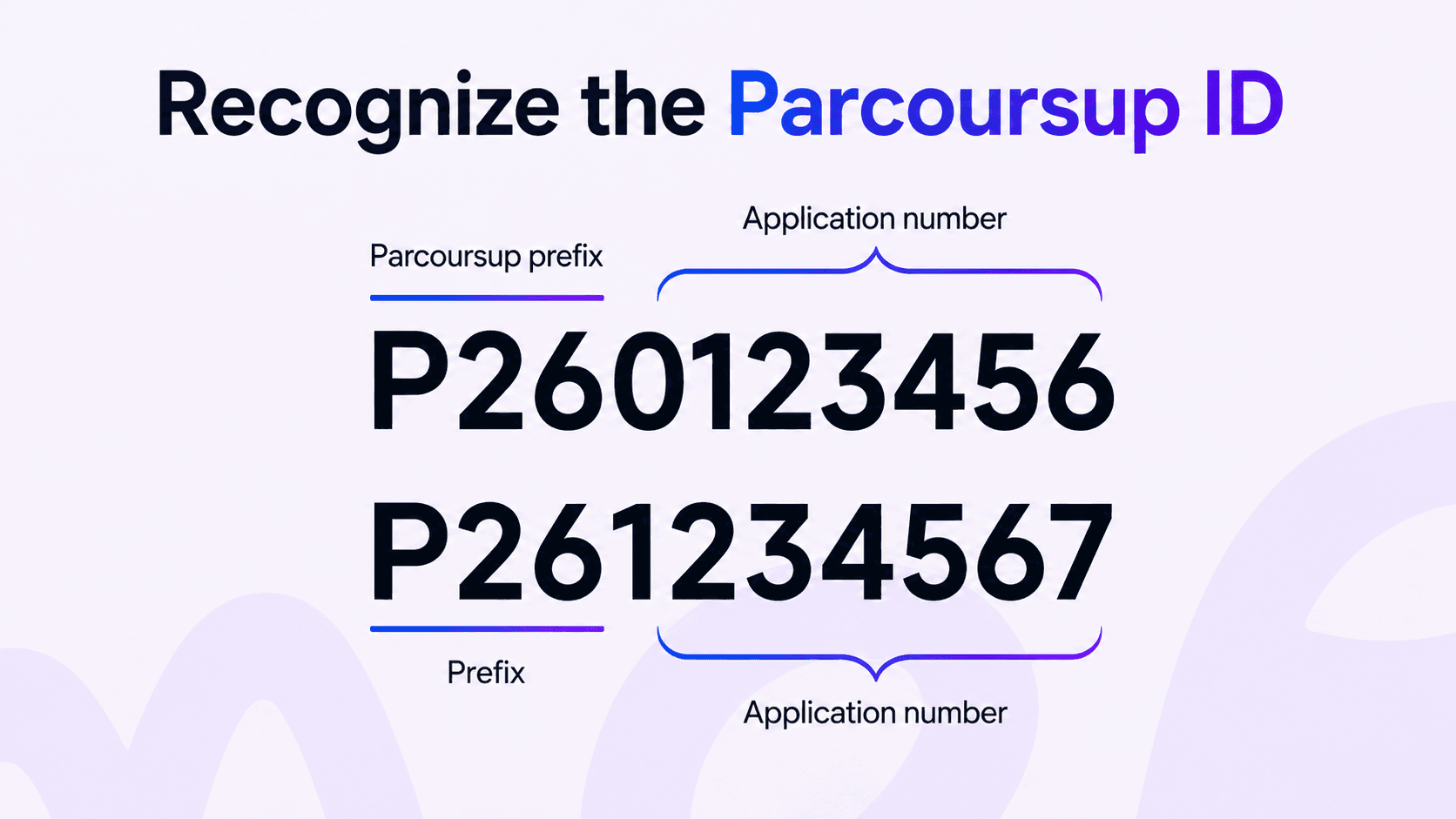
Creating your account and INE: To pay the CVEC, you need an account on the official student services portal. Go to messervices.etudiant.gouv.fr and click "Créer un compte" (Create an account). The registration form will ask for basic personal information. When it asks for your INE, do one of the following: enter your existing INE (if you have one) or select the option that you don't have an INE. After you submit the form, you'll receive a confirmation email to verify your new account. Once your account is confirmed and active, you'll either have your existing INE linked or a new provisional INE issued. You are now ready to log in and pay the CVEC. Students admitted via Parcoursup may already have an account created automatically.

Tip
Step-by-Step CVEC Payment Guide
Paying the CVEC is a straightforward process that you can complete online in just a few minutes. Below is a step-by-step guide to help you navigate the platform and successfully pay the fee (or obtain your exemption certificate, if applicable).
Online platform walkthrough (cvec.etudiant.gouv.fr)
The CVEC payment is done on a central platform managed by the French government. The easiest way is to go directly to the CVEC portal at cvec.etudiant.gouv.fr. This site is part of the messervices.etudiant.gouv.fr ecosystem: you will log in with the student account you created earlier (the same credentials you just set up for MesServices). Note: The site is available in both French and English. You can switch the language if needed, or follow the English instructions provided on the page for guidance.
Steps to pay the CVEC online:
- Log in to the CVEC portal: Visit the official CVEC website and click on the login button. You will be prompted to sign in via MesServices.etudiant.gouv.fr. Use your newly created account (email/username and password) to log in. If you have trouble logging in, double-check that your account is verified via the email link. (Students who went through the Parcoursup system for undergrad admissions may have had an account created automatically. If so, follow the prompts to recover or reset your password if needed.)
- Complete your profile information: Once logged in, the CVEC system will ask for some personal details to process the payment. You will need to fill in or verify your personal information (name, date of birth, contact info, etc.). The platform will also ask you to select the city where you will be studying (and sometimes your institution's name). Choose the city of your campus or your university's location from the dropdown menu. This step ensures the fee is attributed to the correct region but don't worry: the CVEC works nationally, so if you change universities or have multiple enrollments, the payment still counts for all.
- Declare your situation (if prompted): The portal might ask a few brief questions about your student status. For example, if you indicated you have a scholarship or exchange status, it may guide you to the exemption process. If you're a regular degree-seeking student, you'll simply proceed to payment. Make sure to answer truthfully, as this can determine whether you need to pay or just obtain an exemption certificate (more on exemptions in the next section).
- Proceed to payment: If you are not exempt, the system will generate the CVEC bill for the current academic year and prompt you to pay the required amount. Verify that the academic year shown is correct (e.g., if you're enrolling for the 2025-2026 year, the CVEC should correspond to 2025/26). Click on the payment button to continue. You'll be taken to a secure payment page to pay the CVEC fee online by card. Accepted cards include major credit or debit cards (Visa, MasterCard, etc.). Enter your card details and follow the instructions to validate the transaction. Many banks will require an extra security step (such as a code sent to your phone) to authorize the payment.
- Download your CVEC certificate: After a successful payment, you will immediately receive access to your attestation de CVEC (CVEC certificate of payment). The confirmation page will have a button to download your proof of payment. Download this PDF file and save it to your computer or phone. You will also get an email confirmation, and you can always log back into the CVEC portal later to re-download the certificate if needed. Important: This certificate contains a unique CVEC code and serves as proof that you have paid the contribution. You must present this certificate to your university during enrollment. (We'll discuss how to present it in detail in a later section, but make sure you don't skip this download!)
If you are exempt from paying (for example, you have a scholarship that qualifies or you're an exchange student, see the exemption section), the steps are similar but instead of a payment page you'll choose an option to obtain your CVEC attestation without payment. The system will then issue you a certificate of exemption (showing that you owe €0). You need to download that exemption certificate as proof for your university just as you would a payment receipt.
Throughout the process, the online platform guides you with on-screen instructions. The interface is user-friendly, but if you prefer, you can perform Step 1 (account login) via the general student portal MesServices and then click on "CVEC". Either route leads to the same payment workflow described above.
Accepted payment methods & troubleshooting failed payments
The primary payment method for CVEC is online by card through the official portal. This is the fastest and most convenient option. Here's what you need to know about payment methods and how to resolve common issues:
- Accepted payment methods: The CVEC portal accepts credit and debit cards (such as Visa, MasterCard, or Carte Bleue). International cards are generally accepted as long as they are enabled for online purchases. Ensure that your card has international usage enabled or 3-D Secure verification set up, as the payment system may require it for security. Note: The site does not accept other methods like PayPal or bank transfers. It's a straightforward card payment or an in-person alternative (see below).
- Alternative cash payment: If you don't have a compatible card or your online payment isn't going through, France offers a cash payment option via the FDJ Nirio network. "FDJ" refers to Française des Jeux (the French lottery operator), which has partnerships with many local shops (newsstands, tobacco shops, etc.) to handle bill payments (Nirio). In the CVEC portal, you can choose an option to pay in cash, which will generate a payment voucher (bill). You then take this document (or the reference number) to a participating Nirio payment point (a bar-tabac-presse point in the Nirio network) in France. There, you can pay the CVEC fee in cash. There is no additional fee for using this service. Within two business days after paying, you'll receive an email with a link to download your CVEC certificate. Important: If you're still abroad and haven't arrived in France yet, the cash method might not be immediately accessible. In that case, try the online card method first. The cash option is useful if, for instance, your card is not working online or if you only have cash available upon arrival.
- Troubleshooting payment issues: It's not uncommon for students (especially those overseas) to face a hiccup or two when paying online. Here are some common issues and solutions:
- Card declined or transaction failed: Double-check that you entered the card details correctly. If the details are correct but the payment is refused, contact your bank. They may have blocked the transaction thinking it's suspicious (since it's an online payment to a French government account). Often, a quick call or enabling international/online payments in your banking app will resolve this. Then try the payment again.
- 3-D Secure or verification not working: Some cards require you to authorize the purchase via a text message code or bank app confirmation (3-D Secure). If you don't complete that step, the payment won't go through. Ensure you complete any security prompts. If you never received a prompt, your bank might not support international 3-D Secure properly. Again, contacting the bank can help.
- Website technical issues: If the CVEC site is slow or not loading (this can happen if many students are trying to pay at once, particularly in late summer), be patient and try again after some time. It's open all year, so you can also attempt off-peak hours. Make sure you're using the correct official URL (and that it's the right year). If you started creating an account for the wrong academic year by accident, it might cause confusion. Verify the year in the interface.
- Can't log in to MesServices: If you forget your password, use the "Forgot Password" link on the login page to reset it. If you never got the account verification email, check your spam folder or try registering again carefully. Each student needs their own account (you cannot pay someone else's CVEC from your account).
- Accidentally paid the wrong amount or twice: In general, the system won't let you pay twice for the same year (it recognizes if you already paid). But if you think you were charged incorrectly or you paid for the wrong academic year, keep the records and note the issue. You may need to contact CROUS support or use the refund request procedure (described in FAQs) to address it.
Most students will be able to pay online without any trouble. Once you've paid and downloaded your certificate, congratulations: you've completed one of the key steps before starting university! Next, we'll cover cases where you might not need to pay the CVEC and what to do in those situations.
Need help with your administrative procedures in France?
Our experts accompany you in all your visa, residence permit and installation procedures in France.
When You're Exempt (Scholarship Holders, Exchange Students)
Not every student has to pay the CVEC. Certain categories of students are exempt by law and do not need to pay the €100-ish fee. However, and this is important, some exempt students still need to obtain an exemption certificate to prove their status during enrollment. Let's break down who is exempt and what steps to take if you are.
You are exempt from paying the CVEC if:
- You are a scholarship holder on social criteria (boursier): This typically means you have a need-based grant from the French government or CROUS for the current academic year. For example, if you've been awarded a CROUS scholarship (based on family income) or a major scholarship via Campus France or the French Ministry of Foreign Affairs, you qualify as exempt. (Note: Private or foreign scholarships usually do not count for exemption; it must be a French government or CROUS-managed scholarship.)
- You are a French Government scholarship recipient: For instance, if you received a French Government scholarship (BGF) or a grant from Campus France (such as an Eiffel Scholarship) that covers your studies, you are exempt from CVEC.
- You are funded by a French regional authority for certain programs: Students in some paramedical, health, or social work programs who receive a regional grant are exempt.
- You are an exchange student in France: If you are coming to France on an exchange program (e.g., Erasmus+ or a bilateral university exchange) and will not be fully enrolled in a French degree, you do not have to pay the CVEC. Exchange students are considered still enrolled at their home university, so the French host institution will not require the CVEC for your registration. (Typically, exchange students have a different registration process and are explicitly exempt from this fee.)
- You have refugee status or similar protection: Students who have official refugee status, subsidiary protection, or are asylum seekers with permission to stay in France are exempt from paying the CVEC. This is a humanitarian consideration in the law.
- Certain other cases: A few other specific situations are exempt, such as students in continuing professional education paid by an employer, students registering for the DAEU (Diploma of Access to University studies), and non-degree auditors. These are less common for international students, but it's worth noting if you fall into a non-traditional category of study.
If you belong to one of the above categories, you do not have to pay the CVEC fee. However, you still need to log into the CVEC system to confirm your status. The CVEC portal will allow you to request an attestation of exemption. Essentially, you go through the normal steps on the website, but when it comes time to pay, the system will recognize (or ask you to declare) that you're exempt and will issue you a certificate that shows a €0 balance. For example, scholarship students usually have to input their scholarship details or attest they are a grant holder; the system then marks them as exempt. Exchange students often don't even need to register on the CVEC site at all, but it doesn't hurt to obtain proof if your host university requests it.
What to do if you're exempt:
- Scholarship holders (boursiers): Go to the CVEC site and follow the process as if paying, but indicate during the process that you are a scholarship recipient for the current year. Typically, if your scholarship is through CROUS, the system might automatically know your status once you input your student information (since CROUS manages both scholarships and CVEC). If not automatic, you may have to tick a box or provide your scholarship reference. The site will then issue an attestation d'acquittement that shows you have fulfilled the CVEC requirement by exemption (i.e., payment due = €0). Download this certificate. You'll need to show it at enrollment just like a paid certificate, to prove you are exempt. Important: If your scholarship status wasn't recognized and you had to pay upfront, don't panic. See the refund info below.
- Exchange students: In most cases, you do nothing on the CVEC portal. Exchange and study-abroad program students are not required to obtain any CVEC document. When you register at the French host university, they should know you're an exchange student and not ask for CVEC. (If they mistakenly do, just clarify your exchange status.) If you want peace of mind, you could log into the CVEC site and try to obtain an attestation, but usually it's unnecessary. The law explicitly says exchange students "are not subject to the CVEC."
- Refugees or asylum seekers: Similar to scholarship holders, you would go to the CVEC platform and indicate your status. You may be prompted to provide documentation of your refugee or protected status to the university later, but for CVEC, once declared, you'll get an exemption certificate to download.
Refunds for exempt students: What if you paid the CVEC fee before knowing you were exempt (or before your scholarship was confirmed)? This happens sometimes. The good news is, if you paid but were actually exempt, you can request a refund. The CVEC system has a procedure to reimburse students who didn't need to pay. Typically, you'll need to log back in and fill out a refund request form (explaining the reason, e.g., "I am a scholarship recipient" or "I ended up not attending"). The refunds are processed by CROUS after verification. There is a deadline each academic year to request reimbursement. The refund window typically runs from September through 31 May. So, if you think you qualify, don't delay in applying for a refund on the website. We'll touch on this again in the FAQ section, but just know that exemption categories can get your money back if you accidentally paid.
In summary, being exempt means you save money, but you're not off the hook for the paperwork: make sure you either obtain the exemption attestation or have proper documentation to show the university. Now, assuming you have either paid or obtained proof of exemption, let's cover how to use that proof when registering at your university.
Downloading & Presenting the Proof of Payment to Your University
After completing the CVEC process (either by payment or by exemption validation), you will have access to a document called the "attestation d'acquittement de CVEC", which we can translate as the CVEC proof of payment (or exemption). This is a PDF certificate that confirms you have fulfilled the CVEC requirement for the year. It's a crucial piece of paperwork for enrollment.
Downloading the attestation: If you paid online, as mentioned earlier, you should download the certificate immediately from the CVEC site. If for some reason you didn't download it at that moment or lost the file, don't worry: you can log in anytime to cvec.etudiant.gouv.fr and re-download your attestation. There will be a section in your account profile that lists your CVEC status and lets you retrieve the certificate. If you paid in cash via the Nirio network, the system will email you (usually within 48 hours of payment) a link to download your attestation. Click that link and save the PDF.
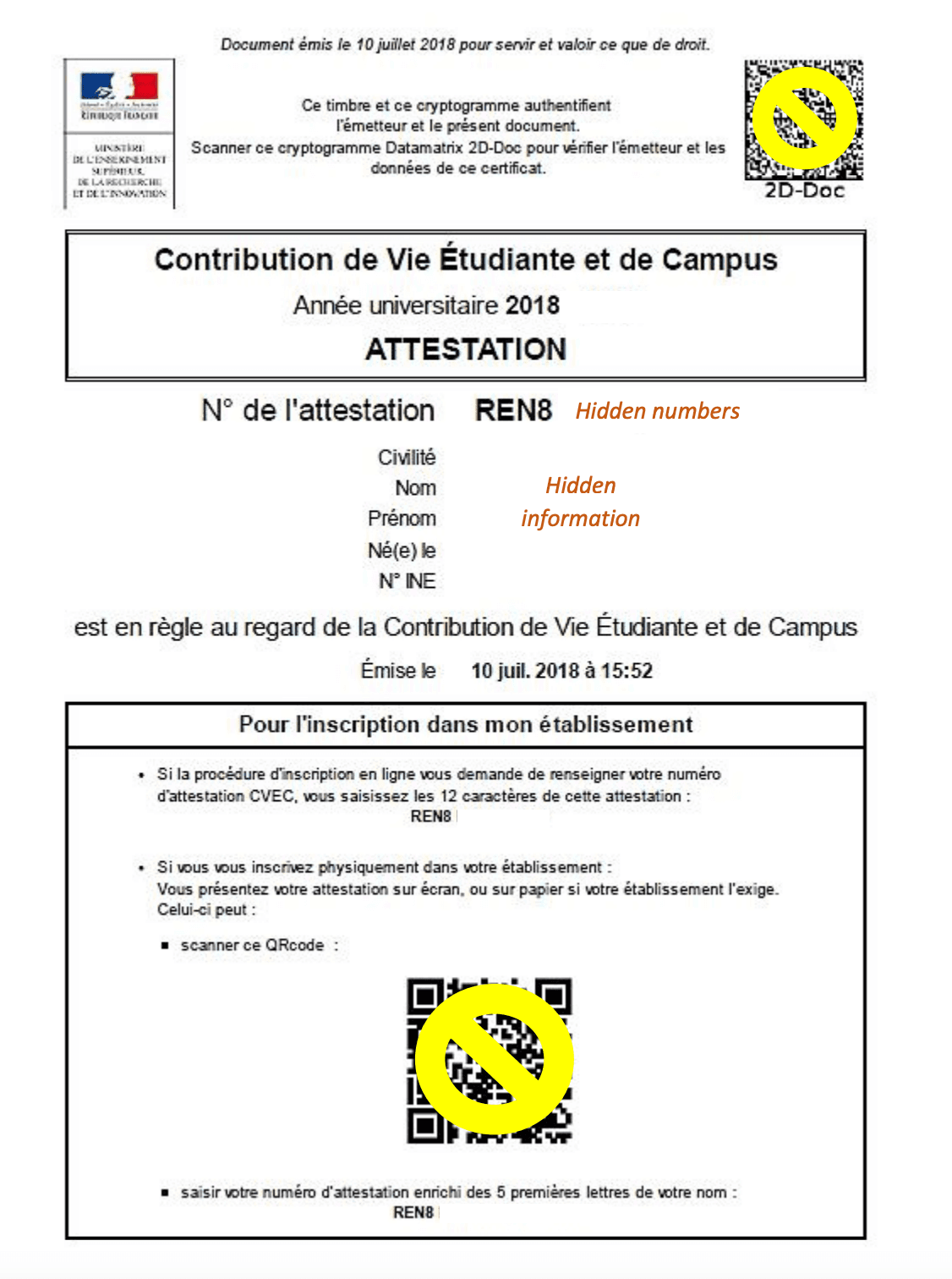
The attestation document will include:
- Your personal details (name, INE number, etc.).
- The academic year it's valid for.
- The date of payment (or exemption issuance).
- A unique CVEC certificate number (often used by universities to verify your payment).
- A QR code or barcode (in newer versions) that institutions can scan to verify authenticity.
- It will state the amount paid (e.g., "€105") or €0 if exempt.
Presenting the proof to your university: Universities in France will require this CVEC certificate to finalize your registration. Here's how you might need to present it:
- Online enrollment portals: Many universities have an online portal where new students upload required documents (like passport, previous diplomas, etc.). In that list, they will ask for the CVEC attestation. You can upload the PDF file there. Some systems might also ask you to enter the CVEC certificate number (the code on the attestation) in a form field. Make sure the number is entered accurately if required.
- In-person registration: If your university has in-person registration or orientation check-in, they may ask you to bring a printed copy of the CVEC attestation. It's wise to print out a copy and keep it with your important papers when you travel to France. University staff might collect it or just glance at it to record your CVEC number.
- During administrative registration: Often, before issuing your student ID card or completing your administrative registration, the school will verify that you have paid the CVEC. This is sometimes done by simply asking for the certificate or by checking in the national system using your INE and CVEC number. Either way, you should have the proof readily available.
Without proof of CVEC, you cannot fully enroll. Universities are actually instructed by law to refuse enrollment if a student hasn't paid (or shown exemption for) the CVEC. In practice, they will simply keep reminding you to provide it. It's not something you can skip, so it's best to handle it before you arrive on campus. For a full checklist of enrolment documents, see our French student visa requirements guide.
Tip
Finally, if you misplace the file or forget to bring a copy, you can usually log into the CVEC site from your phone or a campus computer and show or email it quickly. The system is always there for you to access your records.
With your CVEC paid and proof in hand, you're almost done with the bureaucratic hurdles! Now let's address a few frequently asked questions about CVEC, such as what happens if you pay late, whether you can get a refund in various scenarios, and other concerns that often arise.
FAQs: Late Payment, Refunds if You Withdraw, etc.
Q: What if I pay the CVEC late or after my university's enrollment deadline?
A: It's strongly recommended to pay the CVEC before your enrollment date. However, if you haven't paid it by the time you start registration, you should do so as soon as possible. Most universities will not finalize your enrollment (and may not issue your student card or complete your course registration) until the CVEC is paid. There isn't a financial penalty for paying late, but delaying it can delay your enrollment process. If you're already in France and realized you forgot to pay, you can pay online instantly or even via cash at a local FDJ point, then immediately download the attestation. In short, late payment is possible (the CVEC portal stays open throughout the year), but it might cause administrative inconveniences. So handle it promptly to avoid any hold on your student status.
Q: Can I get a CVEC refund if I decide not to attend the university or I withdraw from my program?
A: Possibly, yes. The CVEC is tied to an academic year, not a specific university. If you paid the CVEC but then choose not to enroll at all in any French institution for that year (for example, you paid and then decided to cancel your studies in France), you can request a refund. The refund isn't automatic; you'll need to log into the CVEC site and use the refund request function. Typically, you'll have to provide information or select a reason (such as "I did not enroll"). The CROUS will review your request and, if approved, reimburse the fee to the same card or bank account used for payment. Keep in mind there is usually a deadline in the academic year to ask for a refund (often by the end of May or early in the summer of the academic year, since that's when the "campaign" for refunds closes). If you simply drop out mid-year, technically you were a student for part of the year, so it's less clear-cut, but you can still attempt a refund request explaining your situation. Each case is reviewed individually.
Q: I paid the CVEC but then got a scholarship that makes me exempt. Can I get my money back?
A: Yes. If you receive a scholarship after you already paid the CVEC (for instance, you paid in July and then in August you were granted a CROUS scholarship or another qualifying grant), you are entitled to a refund because you fall under an exempt category. The process is the same refund request via the CVEC portal. You'll need to certify or show proof of your scholarship in the request. The CROUS will then reimburse you. Remember, even if you're getting a refund, you should still log in and download an exemption attestation (proving you are exempt), since you'll show that to the university instead of the payment certificate.
Q: Do I have to pay the CVEC every year?
A: Yes, if you continue your studies in France, you'll pay the CVEC annually for each academic year you enroll in. The process will be the same each year (usually the portal opens payments for the next academic year around summer, e.g., late May or June). If you take a break or gap year and are not enrolled for a year, you won't pay for that year. But once you re-enroll, the contribution will be due for that new year. It's essentially a yearly student tax for the benefits of campus life improvements.
Q: I'm enrolling in two universities (or two programs) in the same year. Do I need to pay twice?
A: No, you only pay the CVEC once per academic year. When you pay, it covers you for that year at any public university or eligible higher education institution in France. If you are pursuing, say, a dual-degree at two institutions or taking extra courses at a second university, just show the same CVEC attestation to both administrations. There is a centralized record of your payment linked to your INE number, so the universities can verify that you have paid. Do not pay a second time. It's unnecessary (and if you try, the system will likely prevent it or it will need to be refunded).
Q: What if I'm only in France for one semester (as a degree-seeking student, not an exchange)?
A: Even if you only attend for a semester (e.g., you graduate early or you're doing a one-semester program that still gives a French university enrollment), you still pay the full CVEC amount. There is no prorated half-year price. It's a flat annual contribution. The same applies if you arrive late in the year; the fee is the same and required for enrollment.
Q: I'm going abroad for an internship or study in the middle of my French degree; do I still need to pay CVEC?
A: If you remain enrolled in your French institution during the period you're away (for example, doing an internship for credit or a study-abroad that's part of your French degree), yes, you still need to pay the CVEC for that year because you are considered a student of the French institution for that academic year. The benefits funded by CVEC (like access to campus services, student health, etc.) technically remain available to you while you're enrolled, even if you're physically not on campus. The only time you wouldn't pay is if you are not enrolled at all in a French institution that year (or if you are on a specific dual-degree arrangement where one year is in France and another year abroad and the abroad year you are not enrolled in France. In that case, you pay in the year(s) you are enrolled in France).
Q: The CVEC website isn't showing the new academic year yet. What should I do?
A: Each year, the CVEC system rolls over to the new academic year around late spring or early summer. If you try to pay too early (for instance, in April for a September start), you might still see the previous year's campaign. Usually by May or June, the site updates to allow payment for the upcoming year. If the site still mentions the old year, wait for the official opening date (often announced on the site or via your student portal). Don't worry, you will have time to pay once it opens; just plan to do it as soon as it's available for your year.
Q: Do I need a French bank account to pay the CVEC?
A: No, you don't need a French bank account. The online payment accepts international cards, so you can use your existing credit/debit card from home (as long as it's a major brand like Visa/Mastercard). Some students wonder if they can pay via bank transfer from a French account. That's not the standard method. It's either by card online or cash at a designated location. You will likely open a French bank account for other reasons once you arrive, but for CVEC payment you can do it with your foreign card in advance. See our guide on opening a French bank account for when you arrive.
Q: I'm having technical issues with the CVEC site or my account. Is there support?
A: Yes, if you encounter technical difficulties (e.g., error messages on the site, account creation problems that you cannot solve), you can reach out for help. The CVEC site and the MesServices portal usually have a support contact or a helpdesk email. Also, your university's international student office might be able to guide you if you're really stuck. In many cases, however, issues are resolved by double-checking instructions (using the "I don't have an INE" option if appropriate, verifying your email, etc.) or trying a different web browser. Remember, French sites might sometimes work better in one browser vs another (if something isn't loading, switch from, say, Safari to Chrome or vice versa).
Hopefully these FAQs clear up the most common concerns. The key takeaway is: don't skip the CVEC, and handle it on time. It's a predictable part of the enrollment process for any student in France.
Conclusion: Smooth Enrolment with Hiliv Support
Navigating the CVEC fee and the INE number process is an important step in preparing for your studies in France. To recap, you've learned what the CVEC is and why it's required, how to create or find your INE number as an international student, and the exact steps to pay the CVEC online (or obtain an exemption attestation). You also know who needs to pay and who doesn't, how to get your proof of payment, and answers to common questions about timing, refunds, and other special situations.
By taking care of the CVEC payment early and correctly, you'll ensure there are no last-minute surprises when you enroll at your university. This means you can focus on the more exciting parts of moving to France, like preparing for your classes, finding housing, and settling into a new culture, instead of worrying about administrative roadblocks.
If you ever feel overwhelmed by the paperwork or unsure about the steps, remember that you're not alone. Hiliv is here to support international students through every stage of the enrollment journey. From guiding you on French administrative procedures to offering personalized assistance with your student visa and residence permit, Hiliv can help make your transition to studying in France as smooth as possible. With the right preparation and support, paying the CVEC and handling your enrollment becomes a straightforward task rather than a headache.
Embarking on your studies in France is an exciting adventure. By understanding and completing requirements like the CVEC fee and INE registration, you're setting yourself up for a successful start. We wish you a hassle-free enrollment and a wonderful academic experience in France!
Bonne chance and welcome to student life in France!
Support and Contact: Where to Get Help with CVEC or INE Issues
Navigating the CVEC fee and INE number process is a key part of starting your studies in France, but it's normal to have questions or run into challenges, especially for international students, exchange students, or anyone new to the French higher education system. Fortunately, there are several dedicated support channels to help you complete your campus life contribution, resolve payment issues, and ensure you're ready for student orientation and campus life.
1. CROUS Student Services: Your First Point of Contact
The CROUS office is the main organization responsible for managing the CVEC contribution and supporting student life in France. If you have any questions about the CVEC payment process, exemption criteria, or need help obtaining your CVEC certificate or exemption notice, CROUS is there to assist. You can reach CROUS through their online assistance portal, which offers support in both French and English, making it accessible for both French and international students. For more personalized help, you can call during business hours or schedule an in-person appointment to avoid waiting in line. When contacting CROUS, have your student ID number (INE) and any relevant documents ready to speed up the process.
2. University International Student Offices and Associations
Most French institutions have dedicated international student offices or associations that specialize in helping new students with administrative procedures, including the CVEC fee and INE number. These teams are experienced in guiding international and exchange students through the registration process, explaining how to pay the CVEC, and helping you understand your eligibility for exemptions or refunds. They can also provide advice on student orientation, campus activities, and accessing student services, cultural events, and sports support. Don't hesitate to reach out to them. They're there to make your transition to student and campus life as smooth as possible. Our tips for international students in France guide covers more practical advice for your first weeks on campus.
3. The Official CVEC Website: Information and Self-Service
The official CVEC website (https://cvec.etudiant.gouv.fr/) is your go-to resource for up-to-date information on the CVEC fee, payment process, and exemption rules. The site is available in both French and English, making it easy for all students to navigate. Here, you can find detailed guides, FAQs, and step-by-step instructions for paying the CVEC, obtaining an exemption certificate, or requesting a CVEC refund if you're eligible. The website also explains how to register for the current academic year, what documents you'll need, and how to download your CVEC attestation or exemption notice, essential for completing your university enrollment.
4. University Administration Offices
If you encounter issues with your CVEC payment, INE number, or have questions about your registration status, your university's administration office is another valuable resource. They can provide guidance on the payment process, help you resolve technical issues, and ensure you have all the necessary documents for enrollment. This is especially helpful for students enrolling under an apprenticeship contract, asylum seekers with subsidiary protection, or other students with unique situations. For official guidance on student rights and obligations, Service-Public.fr is also a reliable reference.
Frequently Asked Questions
What is the CVEC and who has to pay it?
The CVEC (Contribution de Vie Étudiante et de Campus) is a mandatory annual student fee in France, currently around €105 per year. All students enrolling in French higher education must pay it (or obtain an exemption certificate) before completing university registration, including international degree-seeking students.
What is an INE number and how do I get one?
INE (Identifiant National Étudiant) is your 11-character National Student Identifier in France. If you studied in France before, find it on your baccalauréat transcript or past student ID. If you are new, create an account on messervices.etudiant.gouv.fr and select "I do not have an INE" to receive a provisional INE for CVEC payment.
How much does the CVEC cost in 2025-2026?
The CVEC is €105 for the 2025-2026 academic year and remains €105 for 2026-2027. The amount is set by law and adjusted annually based on inflation. Always confirm the current rate on cvec.etudiant.gouv.fr before paying.
How do I pay the CVEC online?
Create an account on messervices.etudiant.gouv.fr, then log in to cvec.etudiant.gouv.fr. Complete your profile, select your study city, and pay by credit or debit card. Download your attestation de CVEC immediately after payment.
Who is exempt from paying the CVEC?
Exempt students include CROUS scholarship holders (boursiers), French Government scholarship recipients, exchange students (Erasmus+, bilateral exchanges), refugees and asylum seekers with permission to stay, and certain other specific cases. Most exempt students still need to obtain an exemption certificate from the CVEC portal.
Can I pay the CVEC in cash?
Yes. If online card payment is not possible, you can generate a payment voucher on the CVEC portal and pay in cash at a participating FDJ Nirio point (bar-tabac-presse) in France. Your certificate is available within about two business days after payment.
What if I pay the CVEC late?
There is no financial penalty for late payment, but universities will not finalize your enrollment until the CVEC is paid or exempted. Pay as soon as possible to avoid delays with your student card and course registration.
Can I get a CVEC refund?
Yes, in certain cases: if you did not enroll at all that year, if you were exempt (e.g., scholarship holder) but paid by mistake, or in other reviewed situations. Submit a refund request on the CVEC portal. The refund window typically runs from September through 31 May.
Do I need to pay CVEC twice if I enroll at two universities?
No. You pay the CVEC only once per academic year. The same attestation is valid at any eligible French institution. Your payment is linked to your INE number in a centralized system.
Do I need a French bank account to pay the CVEC?
No. International credit and debit cards (Visa, MasterCard) are accepted on the official portal. A French bank account is not required for CVEC payment.
When does the CVEC portal open for the new academic year?
The CVEC system typically updates for the new academic year around May or June. If you try to pay too early (e.g., in April for a September start), wait until the new campaign opens on cvec.etudiant.gouv.fr.
What documents do I need to present at university enrollment?
You must present your CVEC attestation (proof of payment or exemption) along with your passport, visa, admission letter, and other required documents. Upload the PDF to your university portal or bring a printed copy to in-person registration.