Studying in France: Complete Guide for International Students
Everything you need to know about studying in France: why study here, choosing a program, tuition and scholarships, student visa, housing, and student life.

International Mobility Expert

France is among the top global destinations for international students thanks to its world-class education and vibrant culture. This guide provides all the information needed for prospective students considering study in France: choosing a program, tuition and scholarships, student visa, housing, and daily life.

Besoin d'aide pour votre visa étudiant pour la France ?
Notre équipe d'experts vous accompagne dans toutes les démarches pour obtenir votre visa étudiant français.
Plus de 300 visas étudiants obtenus
Why Study in France?
French universities consistently rank high and offer cutting-edge research programs. Many programs are available in English, and degrees use the European LMD system (Licence-Master-Doctorat) recognized worldwide. France's rich history, from ancient cities to modern achievements, deeply influences student life and the academic environment. As a leading member of the European Union and the Eurozone, France offers international students access to a prominent European community, enhancing both academic and professional opportunities. France is also a top non-English-speaking destination for international mobility, attracting students from around the world.
Beyond academics, students enjoy France's rich culture: French culture is celebrated through books, films, music, and cuisine, all of which are easily accessible on student budgets. Museums, festivals, sports, and cuisine are part of daily life. Life in France is lively yet affordable, especially with student discounts on transport, cultural events, and campus amenities. International students can experience the diversity and unique character of French cities, from Paris to regional hubs, each offering distinct opportunities and attractions. Overall, studying in France combines academic excellence with a unique quality of life.
- High-quality education: Diverse programs and prestigious institutions with international recognition.
- Affordable costs: Public tuition is heavily subsidized (see Tuition Fees).
- Rich culture: Museums, cinema, theatre and urban transit offer student discounts; EU students under 26 get free entry to national museums.
Choosing a Program and Getting Admission
Universities vs. Grandes Écoles
France's higher education is dual: Universités (public universities) and Grandes Écoles (elite schools). Universities offer a broad range of courses (Bachelor's/Master's/Doctorate), including fields such as science and arts, with large class sizes and a research focus. In contrast, private universities in France, which include some Grandes Écoles, are generally more expensive and often considered more selective than public universities. Grandes Écoles (e.g. engineering, business schools, HEC Paris) are smaller, highly selective.
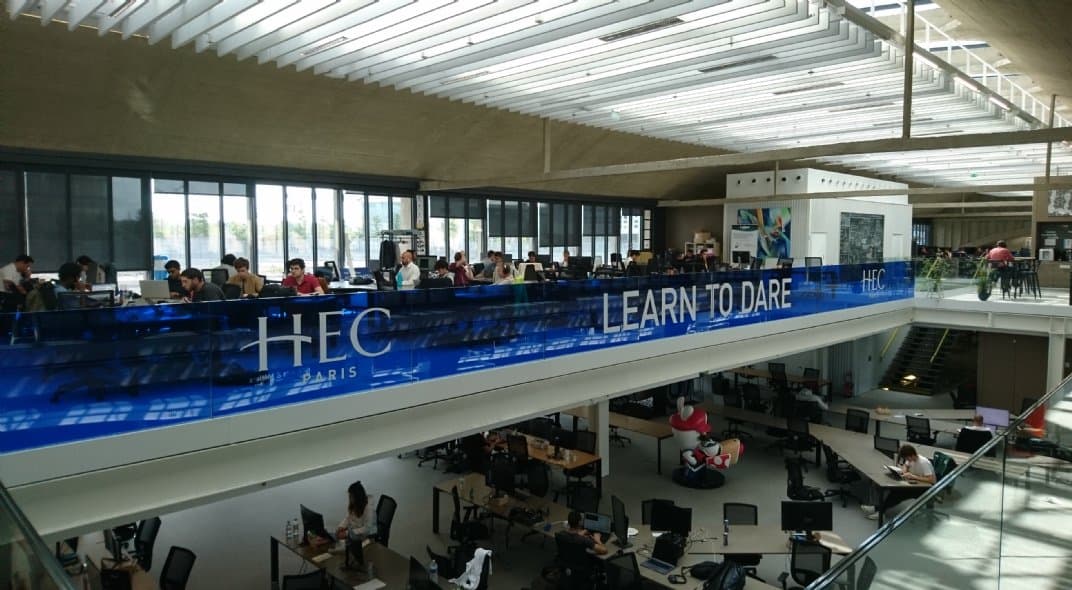
They often have competitive entrance exams, with preparatory classes focusing on areas like science, and typically award a master's degree upon graduation while admitting only a few hundred top students per year. Both systems provide government-accredited degrees. Studying in an English-taught program is possible at both types, but Grandes Écoles often teach more in English or international tracks.
Admission Requirements for International Students
Admission typically requires a secondary school diploma (equivalent to the French baccalauréat) for undergraduate programs, or a Bachelor's degree for Master's programs. Universities may also require proof of French language proficiency (unless the program is in English), such as DELF/DALF or university tests. Each institution sets its own requirements, but common elements include:
- A certified transcript and diplomas (translated if needed).
- French and/or English language scores (e.g. TCF, IELTS).
- Letters of recommendation and a statement of purpose.
- For some fields, entrance exams or interviews may apply.
- An application fee is often required, especially for Campus France applications, and the amount may vary depending on the duration of your stay.
The application process differs for French students and international students. French students usually follow domestic admission procedures, while international students often use the 'Etudes en France' process through Campus France.
Tip
Admissions calendars follow the French academic year (starting September/October). Many French universities open applications in late fall for the next year. Start early: prepare documents and apply several months in advance. Once you have an acceptance letter from a French institution, you can proceed with visa steps if required.
Using Campus France for Applications
Students from certain countries must apply through the Campus France Études en France platform. This online system (for 73 countries and territories) manages university applications and preliminary visa procedures for French higher education. Many students participate in exchange programs with French institutions as part of their study abroad in France experience, and these partnerships between home universities and French institutions can often facilitate the application process. If you reside in one of the listed countries, you create a file on the Campus France portal and follow the instructions. The platform helps translate documents and schedule an interview. For other countries, students apply directly to universities or Grandes Écoles and then handle visa applications separately. In all cases, your first step is securing an admission offer from a French program (through Campus France or direct application) as part of the study abroad in France process.
Tuition Fees and Scholarships
Public University Costs
France is known for its low public tuition. The government subsidizes a large part of higher education costs. For the current academic year, EU/EEA/Swiss students pay only a symbolic registration fee: about €170/year (Bachelor), €243/year (Master), and €380/year (Doctorate) in public universities.
Non-EU students pay higher differentiated fees, but still reasonable by international standards. For new Bachelor/Master enrollees, the fee is about €2,770/year (Bachelor), €3,770/year (Master), and €380/year (Doctorate). The French state still covers two-thirds of the true cost. Some international students benefit from full fee exemptions (e.g. those with scholarships, long-term residents, or in partnerships like Erasmus+).
Short summary: EU students study nearly tuition-free; non-EU pay a few thousand euros per year in public institutions. Private schools (including some Grandes Écoles) and international programs can cost more, but scholarships often offset this.

Scholarship Opportunities
Many international students fund their studies through scholarships and grants. Key programs include:
- Eiffel Excellence Scholarship: Awarded by the French Foreign Ministry for top Master's and PhD candidates. It provides a substantial monthly stipend plus benefits (travel, health, housing support).
- Erasmus+ (European students): EU Erasmus+ funds allow European students to study in France for 3 to 12 months. Funding varies by country.
- Campus France & Government Grants: Many French embassies and universities offer grants to attract international talent. The CampusBourses portal lists thousands of scholarships (France and abroad).
- University Scholarships: Individual universities or Grandes Écoles often have merit or need-based scholarships for international applicants. Check each institution's website.
- Other programs: Organization-specific scholarships and EU-wide programs (Erasmus Mundus) can also apply.
Combining these, international students can significantly reduce their costs. Always explore both French and home-country scholarship options early.
Student Visa and Immigration Basics
Do You Need a Visa? (EU vs non-EU)
- EU/EEA/Swiss citizens: You do not need a student visa to study in France. You may enter France freely and enroll; only ensure you have health coverage (the European Health Insurance Card suffices). No residence permit is required, and health insurance is mandatory.
- Non-EU citizens: In most cases, yes. If your program is up to 3 months, you may apply for a short-stay "study" Schengen visa. For studies over 3 months, you must obtain a Long-Stay Student Visa (Visa de Long Séjour) before coming to France. This long-stay visa acts as your residence permit for the first year.
Procedurally, you apply via the France-Visas portal or local French consulate using your admission letter, proof of finances, and insurance. For some countries, the Campus France (Études en France) procedure includes visa pre-processing. In summary: EU nationals arrive visa-free; others generally need a student visa appropriate to their study duration (typically valid 6 to 12 months, renewable). For a detailed walkthrough, see our guide on the French student visa application and French student visa requirements.
Besoin d'aide pour vos démarches administratives en France ?
Nos experts vous accompagnent dans toutes vos démarches de visa, titres de séjour et installation en France.
Working Part-Time on a Student Visa
France allows international students to work while studying. All foreign students (EU or non-EU) can work up to 964 hours per year (about 60% of full-time, roughly 20 hours/week) without needing a special work permit. This work can be on- or off-campus, as long as it does not exceed the limit. The pay must be at least the French minimum wage (SMIC).
Key points:
- No additional work permit needed for ≤964 hours/year.
- Earnings can help with living costs, but most students earn part-time wages.
- Check labor regulations: some job offers are specifically for students.
- EU students have the same rights and may work without a residence permit.
Always balance work with study, and keep track of hours. Some scholarships allow limited work too. International students should also remember their main purpose is education; excessive work can jeopardize visa status.
Housing for Students in France
University Dorms vs. Private Rentals
CROUS Residence Halls: The regional student service centers (CROUS) run affordable dorms nationwide. A CROUS room is shared or single and furnished; rent is very low. Residents often also get CAF housing aid. These dorms foster campus life and are conveniently near universities. The downside is demand is huge: applications open in spring and many students waitlisted. International exchange or scholarship students may have priority. To apply, use the official CROUS housing portal or your school's international office if on exchange.
Private Student Residences: Commercial student housing companies offer studios or dorm-style rooms. These come furnished with amenities (internet, laundry, gym) but cost more. They are still cheaper than typical market rents and include community life. Expect to pay more in Paris or less in mid-size cities. Search on Studapart or company websites listed by Campus France.
Private Rentals / Colocation: Many students rent privately. A studio/apartment has market rent, which varies by city. Room shares (colocation) are common to split costs. Sites like LeBonCoin, Appartager, and Immojeune list rooms/apartments. Furnished places often ask for a higher deposit (see Tips below).
Homestays and Others: Living with a French family or in intergenerational housing is another option for cultural immersion. Rents can be low or even in exchange for services (babysitting, etc.). Youth hostels are also affordable for temporary stays.
How to Find Accommodation
- CROUS Applications: If eligible, apply early on the CROUS portal for dorm rooms. Check deadlines (usually Feb-Apr for September).
- Lokaviz: The CROUS-run site Lokaviz lists CROUS rooms and private offers vetted for students. All listings have a quality label.
- Online platforms: Use French rental sites like SeLoger, LeBonCoin, Studapart, Appartager, or student-specific agencies. Search in French if possible.
- Hiliv housing service: Consider using HilivSolution's housing service to find rentals or stand as guarantor for international students. Hiliv specializes in assisting students with contracts and guarantor issues.
- Guarantor solutions: Most landlords require a French guarantor. If you don't have one, options include the VISALE program (free rental guarantee by the government) or private guarantor services. Start applications early.
- University help: Many universities have housing offices or partnerships. Inquire if your school offers listings or assistance.
Tips for Renting (Lease, Deposit, Insurance)
- Lease (Bail): Leases are usually for 1 year minimum (can be 9-month student bail). Read terms carefully (furnished vs unfurnished). Terminology: colocation = shared lease, studio = one-room apartment.
- Security Deposit: Unfurnished rentals typically require one month's rent deposit; furnished usually two months. This is refunded (minus damages) after move-out.
- First Month & Fees: You pay the first month's rent upfront. If using an agency, expect agency fees plus inventory check fees.
- Tenant Insurance: Mandatory! You must have renter's insurance (assurance habitation) covering fire, water damage, theft, etc. This costs around €10 to €30/month. You'll need to show proof of insurance at move-in.
- Guarantor: As noted, a guarantor is normally required. Without one, arrange VISALE or a guarantor service in advance.
- Documentation: Prepare ID, passport/visa, student card or certificate, proof of enrolment, and any French address proof (some universities allow use of campus address).
- Utilities: Clarify if utilities (water, electricity, internet) are included. Set up your own accounts if needed. Some rentals require paying monthly charges (maintenance, garbage).
In short, verify all costs (rent + charges + deposit + insurance) before signing. Use the official student housing websites (CROUS, Lokaviz) to avoid scams, and never pay cash without a formal lease.

Student Life Logistics
Setting Up a Bank Account as a Student
Having a local bank account is extremely useful: it lets you pay rent, bills and receive wages or scholarship funds seamlessly. French law guarantees your right to a bank account. Most banks have branches in university cities; you typically need to visit with:
- ID: Passport or national ID.
- Proof of residence: A rental contract, electricity bill, or even an enrollment office address can suffice.
- Student status: Enrollment certificate or student card.
Discuss bank fees: different banks charge different card or transfer fees. Many banks offer special student accounts with lower fees. Once open, you receive a French bank card and RIB (bank details) for payments. If you face difficulties, France has a "droit au compte" service where Banque de France can assign you a bank account.
Healthcare and Health Insurance
Medical care in France is excellent but requires planning. All non-EU students must register with the French Social Security health system after arrival. Registration is free. Once enrolled, about 60% of your medical expenses (doctor visits, hospital care) will be reimbursed by Social Security. You will pay for visits upfront, then claim reimbursement via your account.
Because 40% (or more) is not covered, a complementary insurance (mutuelle) is strongly recommended. These private plans cover dental, optical, and top up health costs. They're not mandatory, but most students choose one for peace of mind. EU/EEA/Swiss students can instead use their European Health Insurance Card (EHIC) or S1 form and avoid French registration.
On campus, most universities have a student health center offering free consultations (general medicine, contraception, psychology) and guidance. Apps like Doctolib help book appointments with local doctors. Always carry your student health card (once available) and repatriation insurance for emergencies.
Student Discounts, Transportation, and Life in France
Studying in France comes with many perks:
- Culture & Leisure: Show your student card at museums, cinemas and theaters for discounts. National museums are free for EU residents under 26. Many theaters and cinemas offer special student nights.
- CROUS Restaurants: Over 450 university cafeterias serve full meals for about €3.30 (starter, main, dessert). You'll need a student card to eat there, and some are open late or weekends.
- Transit: Cities usually offer discounted monthly or yearly transport passes to students. In Paris, the Imagine R pass (for under-26) allows unlimited metro/bus travel. The national SNCF Jeune rail card gives 30 to 50% off train tickets for 12 to 27 year-olds.
- Shopping & Services: Many retailers (electronics, clothing, software) provide student deals. Some mobile and internet providers have special student plans. Sites like mes-aides.gouv.fr list national student discounts and grants.
- Sports: University sports centers let you join dozens of activities for one small fee per year. Municipal gyms, pools and ski passes also often have student rates.
Finally, immerse yourself in the "art de vivre à la française": practice French language, join student clubs, and travel during breaks. Taking beginner French classes or making an effort to speak French will enhance your experience and help you better connect with French culture. France's rich cultural life is a major part of the student experience.
After Graduation: Staying in France
Options to Stay (APS visa, work visas for graduates)
Finishing your studies doesn't mean leaving France. If you hold a Master's degree (or equivalent at least Bac+5), you can apply for a Temporary Residency Permit (APS - Autorisation Provisoire de Séjour), which allows you to stay up to 12 months (not renewable) to look for work or start a company matching your qualifications. During APS you can work full-time. Universities and regional prefectures handle APS applications.
If you find an appropriate job offer, you may switch to a long-term work visa. For example, the "Passeport Talent" (trained job holder) visa covers skilled workers with a Master's or above in a qualifying job/salary. Non-EU graduates may also pursue the EU Blue Card if the job meets salary thresholds. English-speaking startups and large companies often hire international graduates. For more on work-based residence, see our article on the titre de séjour in France and the Passeport Talent.
Another route is entrepreneurial: with a business plan, you can seek a Création d'entreprise visa. In practice, many grads aim for APS then convert to a work permit (Talent, Blue Card) once employed.
Alumni Network and Career Opportunities in France
Stay connected with France through the France Alumni network, a global platform for former international students. With hundreds of thousands of members worldwide, France Alumni lets you keep in touch with classmates and access job/internship listings from French and international companies. Many alumni share advice on job hunting in France, and you can join thematic groups to build professional contacts.
Your French degree and international experience are highly regarded by employers. France hosts industries from luxury goods and aerospace to tech and healthcare. Leverage campus career services, job fairs, and alumni mentors. With persistence, many international graduates secure roles and continue building their careers in France or Europe.
Conclusion: Making the Most of Your French Education
France offers international students a unique blend of high-quality education, affordable tuition, and enriching cultural experiences. By carefully choosing your program, securing scholarships, and preparing for logistics (visa, housing, health), you set yourself up for success. Learn French as you go, explore all student benefits (discounts, cultural outings, university clubs) and build connections through Campus France and France Alumni. In the end, studying in France is not just about earning a degree; it's about gaining global perspective and personal growth. Embrace the adventure: your time in France can open doors to lifelong opportunities and friendships.
Need help with your French student visa or administrative steps? Hiliv supports international students with visa applications, residence permits, and practical settling-in steps. From validating your VLS-TS to finding a guarantor for housing, our team can guide you through the process so you can focus on your studies.
Frequently Asked Questions
Do I need a visa to study in France?
EU/EEA/Swiss citizens do not need a student visa; they can enter and enroll with valid ID and health coverage. Non-EU citizens need a long-stay student visa (VLS-TS) for studies over 3 months. For stays under 3 months, a short-stay Schengen student visa may apply depending on your nationality.
How much does it cost to study in France?
EU/EEA/Swiss students pay only symbolic registration fees (around €170/year for Bachelor, €243 for Master, €380 for Doctorate). Non-EU students pay differentiated fees of about €2,770/year (Bachelor) and €3,770/year (Master) in public universities. Private schools and Grandes Écoles cost more. Scholarships (Eiffel, Erasmus+, Campus France, university-specific) can significantly reduce costs.
Can I work while studying in France?
Yes. All international students (EU and non-EU) can work up to 964 hours per year (about 20 hours per week) without a separate work permit. Work can be on- or off-campus. Pay must be at least the French minimum wage (SMIC).
How do I find student housing in France?
Options include CROUS residence halls (apply early via the CROUS portal), private student residences (e.g. Studapart), and private rentals or colocation (LeBonCoin, Appartager). Use Lokaviz for CROUS and vetted private offers. Many landlords require a French guarantor; VISALE (government guarantee) or private guarantor services can help. Universities often have housing offices or partnerships.
What is Campus France and do I have to use it?
Campus France runs the Études en France platform for applicants from 73 countries. If your country is on the list, you must create a file there for university applications and visa pre-processing. Otherwise, you apply directly to universities or Grandes Écoles and handle the visa separately. In all cases, you need an admission offer from a French institution before applying for a student visa.
What health insurance do I need as a student in France?
Non-EU students must register with French Social Security (free); this reimburses about 60% of medical costs. A complementary mutuelle is strongly recommended to cover the rest. EU/EEA/Swiss students can use their European Health Insurance Card (EHIC) or S1 form instead of French registration. Student health centers on campus offer free consultations.
Can I stay in France after graduation?
Yes. With a Master's degree (or equivalent Bac+5) you can apply for the APS (Autorisation Provisoire de Séjour) for up to 12 months to look for work or start a company. During APS you can work full-time. If you find a qualifying job, you can then switch to a work visa such as the Passeport Talent or EU Blue Card.
What is the difference between universities and Grandes Écoles in France?
Universities are public, offer a wide range of programs (Bachelor to Doctorate), and have a research focus with larger classes. Grandes Écoles are often private or semi-private, smaller, highly selective (often via competitive exams), and typically award a master's degree. They have strong industry links and may offer more programs in English. Both systems issue government-accredited degrees.