How to Open a French Bank Account: Requirements, Best Banks, and Step-by-Step Process
Complete guide to opening a bank account in France: resident vs non-resident accounts, required documents (ID, visa, proof of address), best banks for expats, online banking, fees, Banque de France and droit au compte, and pitfalls to avoid.

International Mobility Expert

Opening a bank account in France is an essential step for anyone planning to live, work, or study in the country. A French bank account allows you to receive salaries, pay rent and bills, and manage daily finances conveniently. Having a local account greatly simplifies daily life in France, making it easier to pay bills, handle rent, and manage routine financial transactions. For foreigners and expats, the process is entirely possible, though the requirements and options can vary depending on whether you are a resident or a non-resident of France. Additionally, requirements vary between banks and account types, so it is important to check the specific policies of each institution. In this comprehensive guide, we walk you through the types of accounts available, the documents you need, the best banks for expats, and a step-by-step process to open your French bank account smoothly. By following this guide, you will be well-prepared to open a French bank account with confidence. Remember to contact your chosen bank in advance to clarify their specific documentation requirements. If you are also preparing your stay, our guides on the French residence permit and studying in France complement this topic.
Settling banking early makes it easier to focus on the rest of your move. If you are planning your relocation to France, Hiliv can support you with tailored guidance on administrative steps, including how banking fits into your timeline alongside visa, housing, and registration procedures.
Need help with your administrative procedures in France?
Our experts accompany you in all your visa, residence permit and installation procedures in France.
Need help opening a bank account in France?
Our team of experts assists you in opening your French bank account and facilitating your administrative procedures.
More than 250 accounts successfully opened
Types of accounts in France (resident vs non-resident)
Can a foreigner open a bank account in France? Yes, but the type of account you can open depends on your residency status in France. Banks in France generally offer different account categories for residents and non-residents:
- Resident accounts: If you are living in France with a valid visa or residence permit and can provide a French address, banks will generally consider you a resident customer for banking purposes. Under French law, individuals legally present in France who are refused a bank account can exercise the "right to an account" (droit au compte) through the Banque de France. This typically includes proof of address, valid identification, and evidence of your residence status. For non-EU citizens, banks may also require proof of your visa status to confirm your legal right to reside in France. Residents can open a standard compte courant (current or checking account) for everyday banking. They also have access to various savings accounts like Livrets (for example the regulated Livret A) and term deposit accounts for saving money with interest. In fact, once you start earning a salary in France, having a local bank account is practically a necessity to receive your pay and handle regular expenses. Managing French accounts involves steps such as receiving your debit card, setting up online banking, and activating your account for daily use.
- Non-resident accounts: If you spend less than half the year in France or do not have French tax residency, you can still open a compte non-résident (non-resident account). In practice, many French banks have become more restrictive with non-resident accounts and may require a significant minimum deposit or a strong connection to France. This is essentially a basic current account in France for people living abroad. A non-resident account lets you perform everyday transactions (receive payments, pay bills, and so on) in euros without being a French resident. However, non-resident bank accounts often come with some limitations. Banks may impose stricter limits on things like cash withdrawals, international transfers, or require higher minimum balances for non-resident customers. Using a foreign account for financial transactions in France can be challenging due to international regulations like FATCA, and may complicate managing student finances, receiving income, or opening local bank accounts. For a comparison with Spain, see our guides on opening a bank account in Spain and ouvrir un compte bancaire en Espagne (FR).
Whether you are a resident or non-resident, French banks offer modern services (online banking, debit cards, and so on) to manage your money. The key difference is mainly in eligibility and a few conditions. When opening accounts in France, banks will check your residence status and may require proof of visa status for non-EU citizens. Residents have a wider choice of account types and generally fewer restrictions, while non-residents might be limited to certain banks or account types and face extra requirements (such as maintaining a larger minimum deposit or paying slightly higher fees). Opening accounts in France involves different procedures and requirements depending on whether you are a resident or non-resident, and compliance with local regulations such as AML and KYC is necessary for all applicants.
Official reference: Consumer information on payment accounts and the right to an account is available on service-public.fr, the French public service portal.
Required documents to open a bank account in France
Once you have determined your status, it is time to gather the required documents. While each bank might have its own specific checklist, French bank account requirements are similar across most major banks. Prepare the following documents:
- Proof of identity: A valid photo ID is required, such as a passport (often the safest option for foreigners) or, for EU citizens, a national ID card. Make sure your ID is unexpired and matches the name you will use on the account.
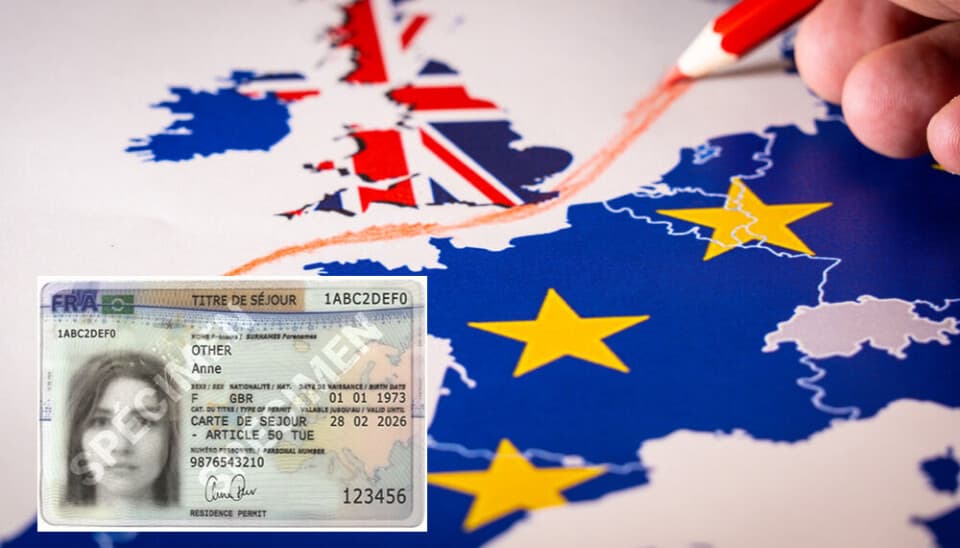
- Visa or residence permit: If you are not an EU or EEA citizen, you will likely need to show a valid visa or residence permit (titre de séjour) demonstrating your legal right to live or stay in France. This is especially important for resident accounts. Non-residents may need to show a visa if they are in France on a long stay, or otherwise proof of legal status in their home country. See also our article on the French residence permit if you are building a full file for life in France.
- Proof of address: In France, a justificatif de domicile is required to verify your address. For residents, this could be a recent utility bill, rental contract, or an official attestation of address (even a housing lease or electricity bill in your name). Utility bills are commonly accepted as proof, and renter's insurance may also be required for tenants. For non-residents, since you might not have a French address, banks will usually accept a proof of your overseas address (such as a utility bill or bank statement from your country of residence). Ensure any document shows your full name and address clearly.
- Proof of employment or study (if applicable): Many banks ask for some proof of your activity in France. If you are working, an employment contract or recent pay slip can serve as proof of employment. If you are a student, French banks often accept a student ID or enrollment certificate from your French educational institution. This helps establish your ties to France and financial stability. Our guide to studying in France covers related administrative steps.
- Banking history (for non-residents): If you are a non-resident opening an account, some banks might request bank statements from your current bank or a reference letter. This can demonstrate your financial history and help the French bank assess any risk (for example, to comply with anti-money laundering rules).
- Initial deposit: While not a document, be aware that some banks require an initial deposit when opening the account. This can range widely: some basic accounts only need €50 or €100 to get started, but non-resident accounts especially might ask for a higher minimum deposit (in some cases a few hundred euros, and occasionally even a few thousand). Check with the bank beforehand so you can have the funds ready.
Please note that requirements vary between banks, and some may request additional documentation to comply with AML (anti-money laundering) and KYC (know your customer) regulations, especially for non-residents or business accounts.
After your account is approved, you will receive banking documents such as signed agreements, a debit card, and a chequebook as part of the process.
Documentation tips
Best banks in France for expats and foreigners
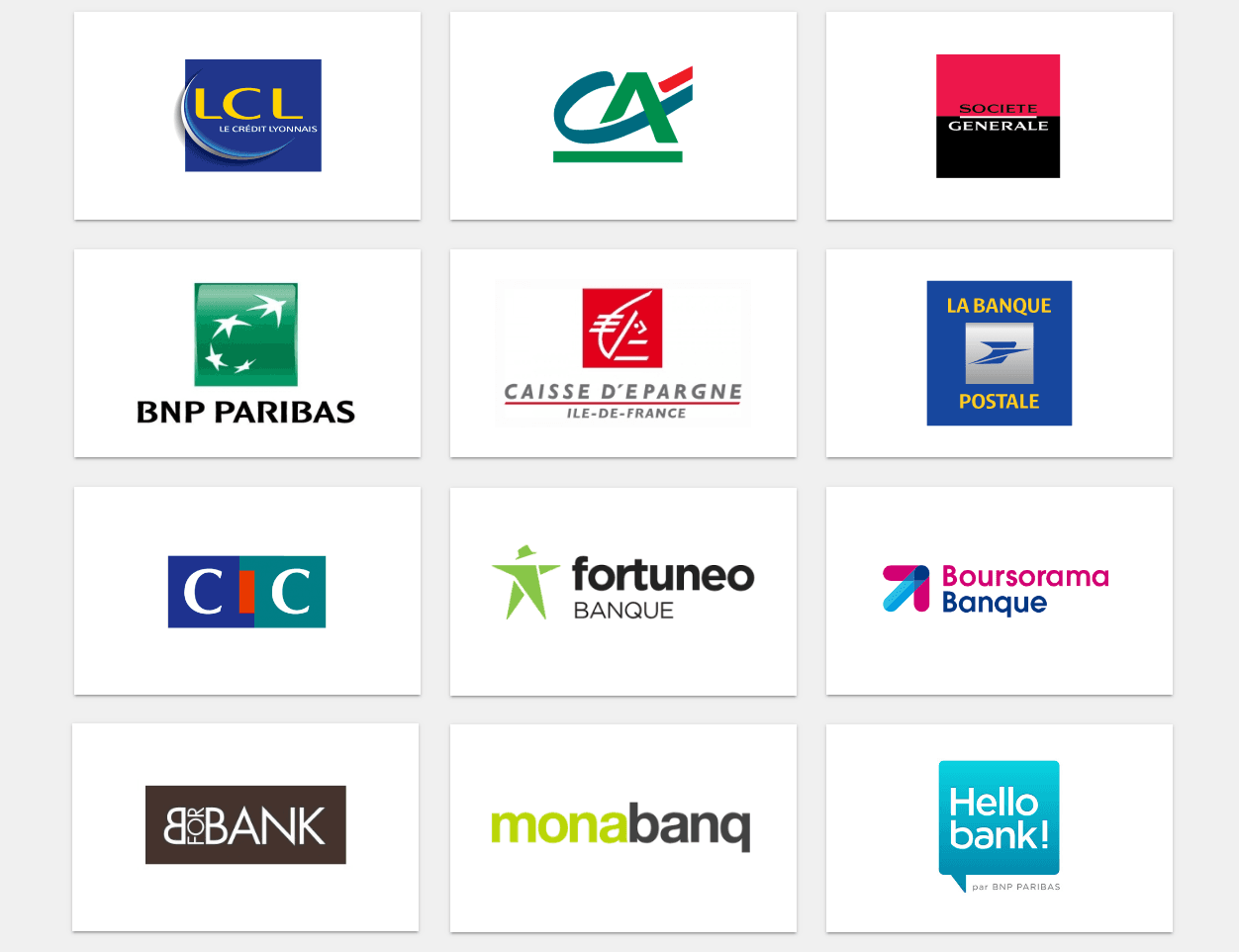
France has a wide range of banks, from big international banking groups to regional cooperative banks and modern online-only banks. Most banks require a minimum deposit to open an account, and requirements can differ depending on the bank and account type. As an expat, you will likely prefer a bank that offers convenient services, reasonable fees, and possibly some English-language support. Here are some of the best banks for foreigners and expats in France:
- BNP Paribas: One of the largest banks in France with extensive branch coverage. BNP Paribas is known for its range of services from basic accounts to investments. They also have an international banking department and English support in many major-city branches. For young adults (18 to 24), BNP Paribas offers discounts on fees, making it attractive to students and youth. They are experienced in working with expats and may offer non-resident account options through partnerships. When opening a new bank account, you can also consider setting up a joint account, which is useful for couples who want to manage shared finances and allows both parties to access funds independently.
- Crédit Agricole (including Britline): Crédit Agricole is a large network of regional banks across France. It is very popular and known to be relatively user-friendly. Notably, Crédit Agricole Britline is a service dedicated to English speakers (originally designed for British expats, but open to others). Through Britline, you can open and manage a French bank account remotely in English, which is a huge plus if you are not confident in French. In general, Crédit Agricole's requirements are straightforward (often just proof of identity and address) and they offer a full suite of products, from current accounts to savings and insurance.
- Société Générale: Another major French bank with global presence. Société Générale has millions of customers and solid digital banking apps. They are known to offer various benefits like discounts or cashback programs. While they have a robust service, be prepared that they might ask for a comprehensive set of documents (as they are very thorough with new clients). With that said, many expats do bank with SocGen and appreciate their wide ATM network and services.
- La Banque Postale: This is the banking arm of the French postal service. La Banque Postale has the advantage of the largest branch network (since post offices serve as bank branches even in small towns). Their account fees are generally low and they offer basic, reliable banking services. However, most of their services and support are in French only, so it is a good option if you are comfortable with French or have someone to assist in translation initially. One convenient feature is you can start an application online and then finalize it by mail or at a post office, which can help if you are settling in a smaller town.
- International banks (HSBC or CCF): HSBC used to be a go-to for many expatriates in France due to its global reach and English-speaking service. As of 2024, HSBC's retail operations in France were sold and rebranded back to CCF (Crédit Commercial de France). If you were an HSBC customer or want an international bank feel, CCF might be an option: they are essentially the continuation of HSBC France. They often cater to international clients, but keep in mind there may be higher account maintenance fees for their expat-oriented accounts. Due to FATCA compliance requirements, French banks often apply additional checks when opening accounts for US citizens, and some institutions may limit certain services or request additional documentation.
- Online and neo-banks (Wise, Nickel, Revolut, N26): The easiest and often cheapest route for many newcomers is to use an online banking service. Opening a bank account online is now possible with many providers, and you can open a French bank account online without visiting a branch, making the process very convenient.
Digital and app-based options
- Wise (formerly TransferWise): Wise offers a multi-currency account you can open from abroad, giving you European bank details (IBAN) to send and receive euros. It is not a full French bank (you will not get a chequebook or a physical branch), but you do get a debit card and very low fees on currency exchange. It is a great solution to have ready even before you arrive in France, and many expats use Wise to handle international money transfers cheaply. See also Wise for current product details.
- Nickel: Nickel is a French fintech that allows anyone (with an EU ID or residence permit) to open a basic account in minutes at partner tobacco shops in France. Nickel accounts can be opened in France through partner tobacconists with a valid identity document and a French mobile number. For a small fee (around €20 per year), you get an account with a French IBAN and a Mastercard. Nickel does not require a strict residency check, so non-residents can potentially open an account as long as they come in person to a Nickel point (which might be tricky if you are not physically in France). It is very accessible and no-frills, ideal if you have trouble with traditional banks.
- Revolut and N26: These are popular European digital banks. Revolut offers accounts you can open through an app, with multi-currency support and a debit card. While Revolut now provides French IBANs to customers in France, its services are entirely app-based. N26 is a German-based online bank that operates in France as well, known for its user-friendly app and free basic account options. Both Revolut and N26 are convenient for tech-savvy expats, though they may not offer certain traditional features like lending or extensive customer service in branches.
- Other French online banks: France also has online-only banks like Boursorama (by Société Générale) and Hello bank! (by BNP Paribas). These typically require you to be a resident (with a French address) and often some initial deposit or income level, but they have low fees. If you are comfortable opening an account in French online, these are worth exploring for their low costs. Expats have also reported trying other banks, including international and regional institutions, with varying degrees of success depending on their residency status and documentation.
Each bank has its pros and cons, so consider what matters most to you: Do you need English-speaking support? Low fees? An account opened before you arrive in France? For example, if English support is crucial, BNP Paribas or Crédit Agricole Britline are excellent choices. If low fees and quick setup are key, an online bank like Wise or Revolut might serve as at least a temporary solution. Some expats even use two accounts: one with a traditional bank for salary and local needs, and one online account for international transfers and travel, to get the best of both worlds. When opening a new bank account in France, compare features, documentation requirements, and consider whether a joint account or online-only option best fits your needs.
Online banking options in France
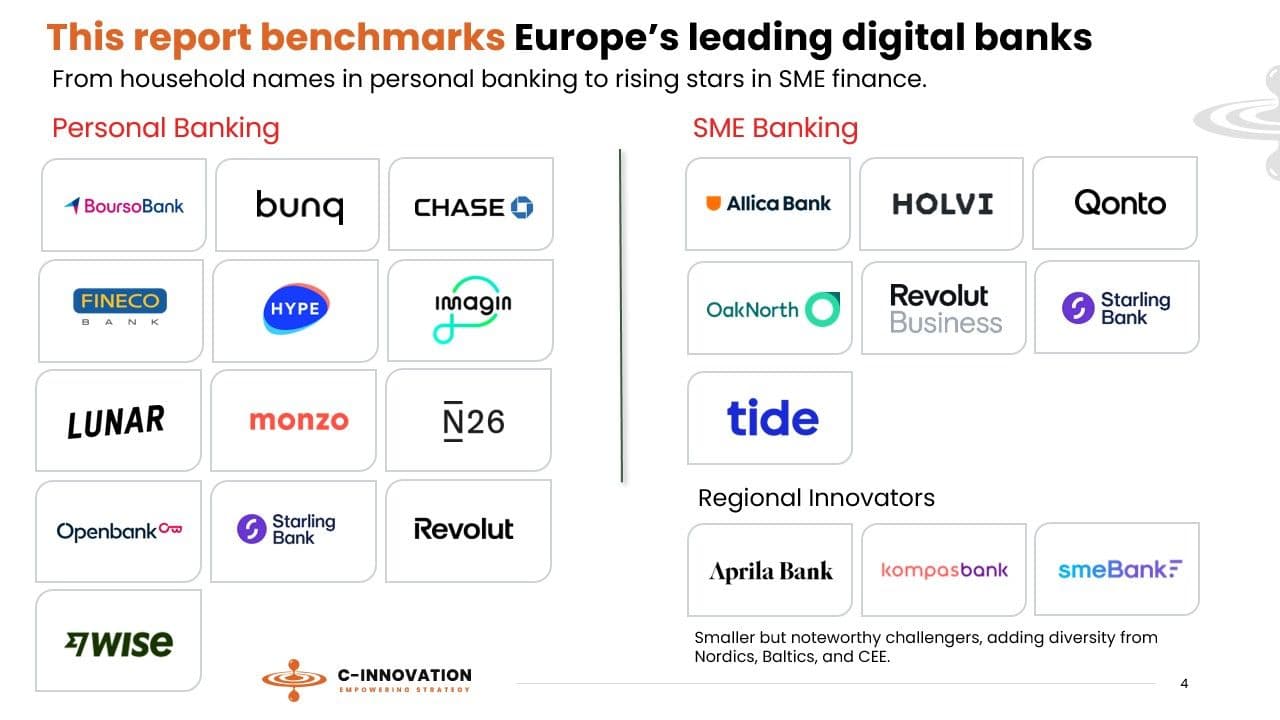
Online banking has revolutionized the way people manage their finances in France, making it easier than ever to open and operate a bank account without visiting a physical branch. Many French banks, including both traditional institutions and modern online banks, now offer robust online banking platforms. With these services, you can access your account, transfer money, pay bills, and even set up international money transfers, all from your computer or smartphone.
Some of the most popular online banks in France include Hello bank! and Wise. These online banks typically provide a wide range of account options, such as current accounts for everyday spending, savings accounts for those looking to grow their money, and specialized services for international customers. For example, Wise is well-known for its low-cost international money transfers, making it a favorite among expats and frequent travelers. Hello Bank, backed by BNP Paribas, offers a full suite of banking services with the convenience of digital access and competitive banking fees.
When choosing an online bank in France, it is important to compare features such as account types, banking fees, customer support availability, and security measures. Many online banks offer easy account setup, transparent fee structures, and user-friendly apps, making it simple to manage your money and pay for everyday expenses. Whether you are looking for a basic bank account or a more comprehensive banking solution, online banks in France provide flexible options to suit different needs and lifestyles.
Security online
Bank account fees and charges
Understanding the fees and charges associated with your bank account in France is crucial to managing your finances effectively. Many banks in France charge a monthly maintenance fee for keeping your account open, which can range from just a couple of euros for a basic account to higher amounts for premium services. In addition to monthly fees, you may encounter charges for ATM withdrawals, especially if you use machines outside your bank's network, as well as fees for international transactions or currency exchange. The Ministry of Economy explains how to read bank fees; you can also compare offers on lesfraisdebancaires.fr (official comparison tool).
Some banks, like Crédit Agricole, offer special deals for students and young adults, including free or reduced-fee bank accounts. Many banks also provide basic bank accounts with minimal fees, which are ideal if you are looking to keep costs low. However, premium accounts with added benefits may come with higher charges, so it is important to review the fee schedule before making your choice.
When opening a bank account in France, always ask for a detailed list of fees and charges associated with your chosen account type. This will help you avoid unexpected costs and choose the best bank account for your needs. Comparing offers from different banks can also help you find the most cost-effective solution, especially if you plan to make frequent international transfers or cash withdrawals.
Banque de France and banking regulations
The Banque de France plays a central role in regulating the French banking system and ensuring the security and stability of financial institutions. When you open a bank account in France, you will need to comply with regulations set by the Banque de France, which typically means providing documentation such as a valid passport, proof of address, and evidence of income or activity. These requirements help protect both customers and banks by preventing fraud and ensuring transparency.
If you encounter difficulties, such as if a bank rejects your application for a bank account in France, the Banque de France can provide assistance. Under French law, you have the right to a basic bank account, and the Banque de France can help you exercise this right by designating a bank to open an account for you if you have been refused elsewhere. This ensures that everyone, regardless of their situation, can access essential banking services. Details are explained for consumers on service-public.fr.
In addition to supporting individuals, the Banque de France offers resources on banking regulations, financial education, and consumer protection. Understanding your rights and responsibilities as a bank account holder in France can help you navigate the system with confidence and make the most of your new account. If you have questions about banking regulations or need help after a bank rejects your application, do not hesitate to reach out to the Banque de France for guidance.
For tax identification linked to banking and income, see our article on the French tax number and fiscal setup.
Step-by-step guide to opening a French bank account
Opening a bank account in France can be done either by visiting a branch in person or, in many cases, by applying for a bank account online. Here is a step-by-step overview of the process:
1. Choose your bank and account type: Research and decide which bank suits your needs. If you are already in France, you might walk into a convenient nearby bank branch. If you are still abroad, you may opt for an international-friendly bank or start with an online account. Also, decide if you want a basic current account only or also a savings account. Tip: Compare fees and services: banks must publish a fee schedule (brochure tarifaire) and key information online; the ACPR (French banking supervisor) also publishes guidance for consumers. For non-resident accounts, confirm that the French bank actually offers a compte non-résident before proceeding (see our section on resident vs non-resident accounts). For a parallel procedure in another EU country, read our English guide to opening a bank account in Spain. Opening an account in France is generally straightforward if you follow the steps and provide the required documents.
2. Prepare the required documents: (As detailed in the required documents section above.) Gather your passport, visa or residence permit, proof of address, and other documents like proof of employment or school enrollment. It is best to have both physical copies and scanned digital copies. If you plan to apply online, digital scans of documents will be needed; if you go in person, bring the originals plus copies. These banking documents are essential for both opening and managing your account.
3. Start the application:
- In branch: If you visit a branch, you might need to schedule an appointment, especially in busy city branches. Some banks welcome walk-ins, but to save time, call ahead or book an appointment online if available. At the branch, an advisor will typically help you fill out the application forms. They will take copies of your documents and have you sign the account contracts. Do not hesitate to ask for clarification during this meeting (some bank staff speak English, but if not, having a French-speaking friend accompany you can be very helpful). If all your documents are in order, some banks can open your account on the same day.
- Online: Many banks in France allow you to open a bank account online for residents. This process involves filling out a form on the bank's website or app, uploading your documents, and possibly sending an initial deposit via wire transfer. After submitting, the bank may require a verification step, for example a video call to confirm your identity or mailing in a signed form. Online banks like Boursorama or Hello bank! will guide you through this process clearly. For non-residents, fully online opening is less common with traditional banks, but you could use services like Wise or Revolut, which have their own step-by-step identity verification (usually a passport scan and a selfie video). Opening accounts online is often quick, and in some cases your account can be ready to use within minutes.
4. Fund your new account: Once your account is approved, you will typically need to make a first deposit. If you opened the account in person, you can deposit cash or a check, or transfer money from another account. If you opened it online, you might transfer funds from an existing account (possibly using an international transfer if you have not arrived in France yet). The bank will provide you the new IBAN (international bank account number, used for SEPA transfers in euros) so you can transfer money in. European payment systems explain how IBANs work across the EU. Remember to meet any minimum deposit requirement that the bank stipulates, especially for non-resident accounts.
5. Receive your bank card and checks: After the account is active, the bank will issue your debit card (and checkbook if you requested one, since checks are still used in France for certain payments). For security, the card usually comes by mail to your address, or sometimes you pick it up at the branch. The PIN code is often sent in a separate mail for security. This can take about a week or two. Some banks might give you a temporary card or immediate virtual card if you applied online, so you can use it right away via your phone. You will also receive important banking documents such as your debit card, chequebook, and account agreements, which are necessary for managing your French accounts.
6. Set up online banking: With your new account number and client details, register for the bank's online banking or mobile app. This is important for managing your new French accounts, viewing statements, and making transfers. The setup might require creating a username and password and entering a confirmation code sent via SMS or email. Once done, you will have full access to manage your French bank account digitally.
7. Finalize any additional services: During or after opening your account, the bank advisor might ask if you need extra services like a savings account, credit card, or insurance (French banks often cross-sell home or health insurance). These are optional: do not feel pressured to sign up for things you do not need. However, if you will be staying long-term, a savings account like a Livret A for emergency funds (tax-free interest within legal limits) can be a nice benefit to open alongside your current account. If you opened an account as a student, ask about student benefits or fee waivers.
Following these steps carefully will make the process straightforward. In summary: choose a bank, provide the necessary documents, fill out the application (online or in-person), deposit some money, and you are all set. The key is preparation and ensuring you meet the bank's criteria. Once your account is open, you can seamlessly handle day-to-day finances in France.
Need help opening a bank account in France?
Our team of experts assists you in opening your French bank account and facilitating your administrative procedures.
More than 250 accounts successfully opened
Common pitfalls and tips for newcomers
Opening a bank account in a new country can come with a few hiccups. Here are some common pitfalls and useful tips to help you avoid problems and get the most out of your French bank account:
- Language barrier: Many local bank staff and forms will be in French. If you are not fluent, this can be challenging. To avoid misunderstandings, try to choose a bank known for expat-friendliness (with English documentation or support). Alternatively, do not hesitate to bring along a friend or colleague who speaks French to help translate during the account opening. Some banks also offer English phone support or have translated guides. Ask if they have any English brochures for account opening.
- Proof of address issues: Obtaining a proof of address can be a Catch-22 for newcomers (you need a bank account to pay for accommodation, but need an address to get a bank account). If you have not settled in permanent housing yet, you can use temporary solutions. For example, use the address of your company (if your employer allows) or student residence, or even a friend's address with a signed attestation that you live there. You might also open an account with a more flexible provider like Nickel or Wise first, since they have minimal address requirements, then switch to a traditional bank once you have a permanent address.
- Minimum deposit and balance: Be aware of minimum balance requirements. Non-resident accounts in particular may require you to maintain a significant minimum balance at all times (sometimes thousands of euros) to keep the account open. Falling below that could incur fees or even lead to account closure. Always ask the bank about any minimum deposit rules. If one bank's requirement is too high, shop around: other banks may have different requirements, so it is worth comparing options to find the best fit for your situation.
- Account fees and charges: French banks are not always free. Typically, expect a monthly account maintenance fee (around €2 to €10 for basic accounts, more for premium accounts). Debit cards might also have an annual fee. Additionally, there can be charges for services like international transfers, ATM withdrawals abroad, or even SMS account alerts. Read the fee schedule (brochure tarifaire) the bank provides. The French administration also publishes guidance on understanding bank fees. Tip: Some banks offer discounts or fee waivers: for example, students and young professionals often get reduced fees, and online banks often have zero monthly fees if you meet certain conditions.
- Using an international account vs local account: Thanks to European banking regulations, any euro-denominated account in the EU (with an IBAN) can technically be used in France for direct debits and transfers. However, in practice, French utilities or employers might be hesitant to work with a foreign IBAN (even though EU rules on SEPA aim to ensure equal treatment of EU IBANs for euro payments in many cases). Relying on a foreign account for daily transactions in France can lead to challenges such as delays in receiving income, difficulties with student finances, and issues opening local bank accounts due to international regulations like FATCA. Having a local French account (with an FR IBAN) can smooth over these issues. So even if you start with an international account (like a Wise or N26 account from another country), plan to get a French IBAN if you encounter any pushback. This will make setting up things like mobile phone contracts, internet service, or getting paid by a French employer much easier.
- Right to an account: If you meet resistance or are outright refused by a bank (which can happen, unfortunately, especially if you lack some documents), remember that in France you have a legal "droit au compte" (right to a basic bank account). If you have been denied by multiple banks, you can go to the Banque de France and request they assign a bank to open an account for you. This is a last resort, but it guarantees you access to essential banking services. Knowing this can give you confidence: banks cannot arbitrarily shut you out if you are willing to follow the rules.
- Taxes and declarations: For foreigners settling in France, keep in mind any tax implications of having a French account. If you become a French resident, interest from your savings accounts might be taxable in France, and your French bank account will be used to pay taxes such as income tax or property tax. Conversely, if you are not a resident, you might need to declare the account or interest in your home country (for example, Americans need to report foreign accounts due to FATCA requirements). It is wise to consult a tax advisor if you are unsure, but for most typical checking accounts with low interest, this is not a big issue. Just avoid inadvertently hiding large sums abroad; always stay in compliance with both French and home country laws.
- Customer service and getting help: French banking culture can be a bit bureaucratic. If something seems slow (for example, your bank card has not arrived after two weeks, or your online banking is not working), do not be afraid to follow up. Visit the branch or call customer service. Persistence is sometimes needed to navigate the paperwork. On the bright side, once your account is fully set up and you are familiar with the mobile app, daily banking is mostly hassle-free.
Final tip
Hiliv helps international professionals and families navigate French administrative steps in a clear order: visas and permits, housing, social security, tax numbers, and everyday logistics. If you want a single place to plan your move and avoid gaps between procedures, explore Hiliv's France relocation support.
Frequently asked questions about French bank accounts
Can a foreigner open a bank account in France?
Yes. Foreigners can open a resident or non-resident account depending on tax residency, visa status, and address. Banks apply KYC and may ask for a visa or residence permit for non-EU nationals. If several banks refuse you, you can use the legal right to a basic payment account (droit au compte) via the Banque de France.
What documents are usually required to open a French bank account?
Typically: valid photo ID (passport or EU national ID), proof of address (justificatif de domicile), and for non-EU citizens a valid visa or titre de séjour. Banks may also ask for proof of employment or studies, bank references for non-residents, and sometimes an initial deposit. Documents not in French may need a certified translation.
What is the difference between a resident and a non-resident account in France?
A resident account (compte courant) is for people living in France with a local address; it usually offers full services including regulated savings (e.g. Livret A). A non-resident account (compte non-résident) is for people without French tax residency; it may have higher minimum balances, stricter limits, or fewer services.
Which banks are most expat-friendly in France?
Large networks such as BNP Paribas, Crédit Agricole (including Britline for English-speaking support), Société Générale, and La Banque Postale are common choices. Online options include Hello bank!, Boursorama, Wise, Revolut, and N26. Compare fees, English support, and whether non-resident accounts are offered.
How long does it take to open a bank account in France?
In branch, some accounts open the same day if documents are complete. Online applications may take a few days for verification (video ID, mailed forms). Debit cards and PINs are often sent by post within one to two weeks.
What fees should I expect on a French bank account?
Many banks charge monthly account fees (often a few euros per month for basic packages), card fees, ATM fees outside the network, and fees for international transfers or currency exchange. Always read the fee schedule (brochure tarifaire) before signing.
What is the droit au compte (right to an account)?
Under French law, people legally present in France who are refused a basic payment account can ask the Banque de France to designate a bank that must open an account for them. This ensures access to essential banking services.
Can I use only a Wise or Revolut account instead of a French bank?
Electronic money and neobank accounts can cover many needs (IBAN, card, transfers), but employers, landlords, and some utilities still prefer a French IBAN. A local account also simplifies cheque use and some regulated products. Many expats combine a traditional French account with an app-based account for FX.
Do US citizens face extra steps when opening a bank account in France?
US persons may face additional FATCA-related documentation and compliance checks. Some banks are more selective. Prepare tax forms and ID as requested and compare institutions that are used to US clients.
Is my money protected in a French bank?
Deposits in authorised French banks are covered by the French deposit guarantee scheme (FGDR) up to EUR 100,000 per depositor per bank in the event of bank failure, within EU rules.