Moving to Madrid: Complete Guide for French Expats in 2026
Discover our complete 2026 guide to successfully settle in Madrid. Expat checklist, administrative procedures, housing, work, and budget.

International Mobility Expert
Moving to Madrid: Complete Guide for French Expats in 2026
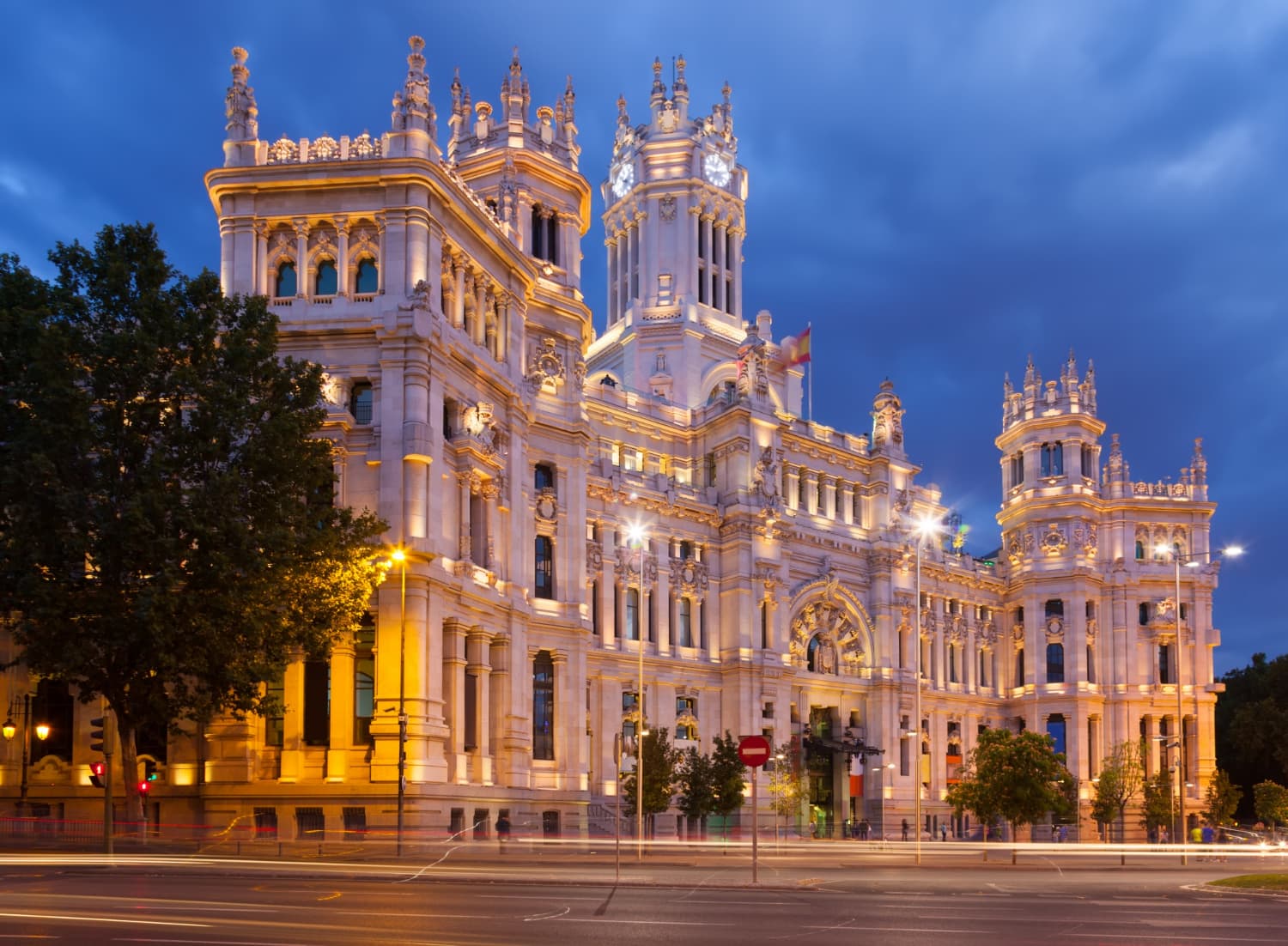
Are you considering moving to Madrid soon? Before packing your bags for the Spanish capital, it's essential to properly prepare your expatriation. Quality of life, administrative formalities, housing, work, budget... We've gathered all the key points in this 2026 guide to help you successfully settle in Madrid with peace of mind. Follow this expat checklist to ensure nothing is forgotten and fully enjoy your new Madrid lifestyle!
This guide provides rich and varied content, as well as complementary articles to support you at every stage of your Madrid installation. Other detailed articles are also available to explore specific aspects of settling in.
Why Choose Madrid?
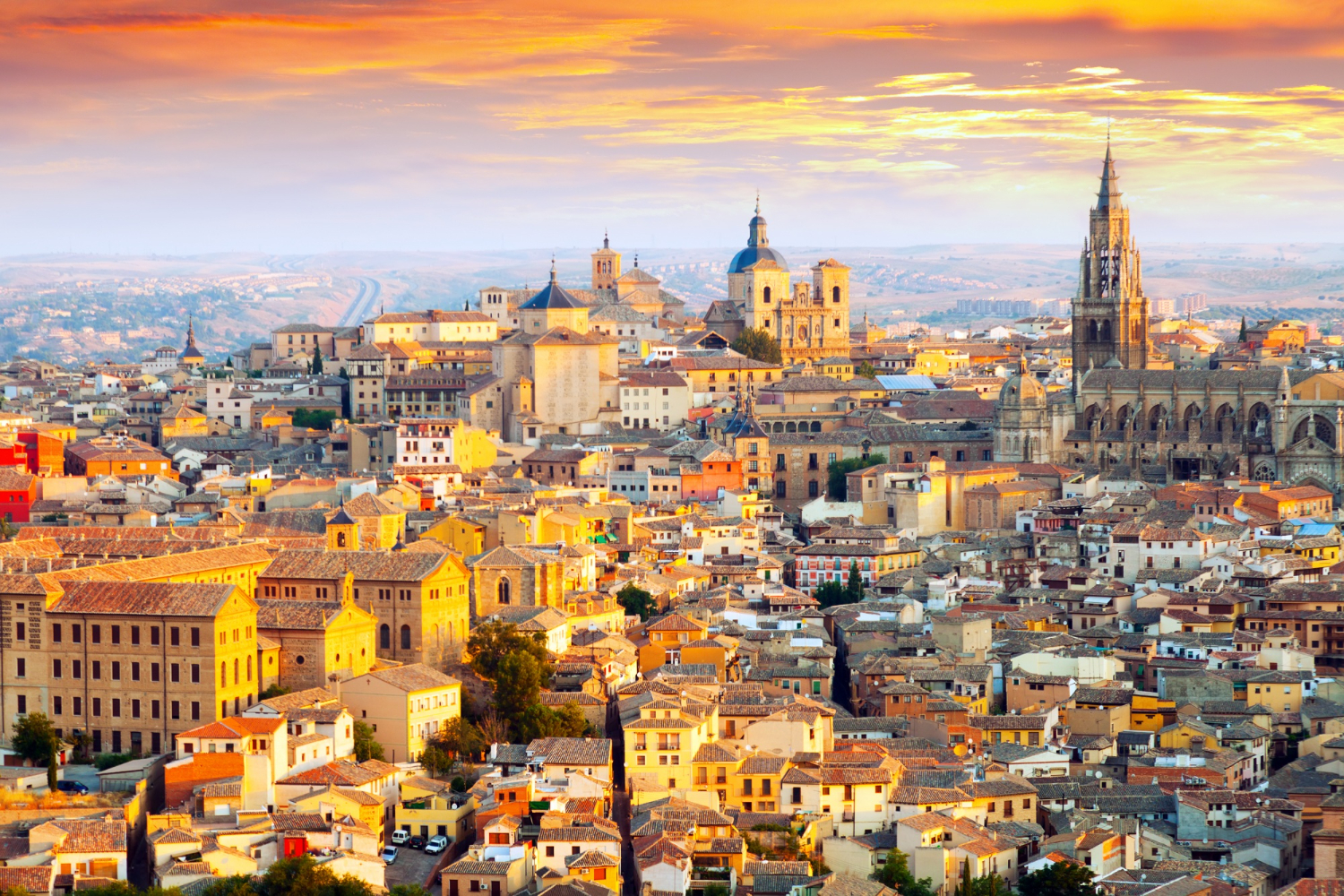
Sunshine, culture, and economic dynamism: Madrid offers numerous advantages to attract French expats, including a high quality of life, affordable cost of living, pleasant climate, cultural richness, and a strong French-speaking community. As Spain's capital, the city offers a cosmopolitan lifestyle where people from around the world come together. Madrid also hosts a dynamic international community, fostering integration and exchanges among expats from all backgrounds. You'll find a rich cultural life (renowned museums like the Prado, theaters, festivals) and a friendly atmosphere at all hours – from tapas at noon to lively evenings in neighborhood bars. Additionally, the French community is well-established: several thousand French people live in Madrid, facilitating connections and mutual support once you're there.
Regarding the climate, Madrid enjoys very sunny and hot summers (temperatures often exceed 30°C in summer) and cold but dry winters. This contrasted yet pleasant continental climate allows you to enjoy terraces and parks almost year-round. As for your wallet, the Spanish capital remains approximately 20 to 30% less expensive than Paris on average, with a lower cost of living than other major European cities like London or Berlin. Whether it's housing, food, or leisure, the cost of living is more affordable, meaning better purchasing power and an often superior quality of life. In short, Madrid combines the excitement of a major European metropolis with the Iberian quality of life – a balance that attracts numerous expats each year.
Essential Administrative Procedures
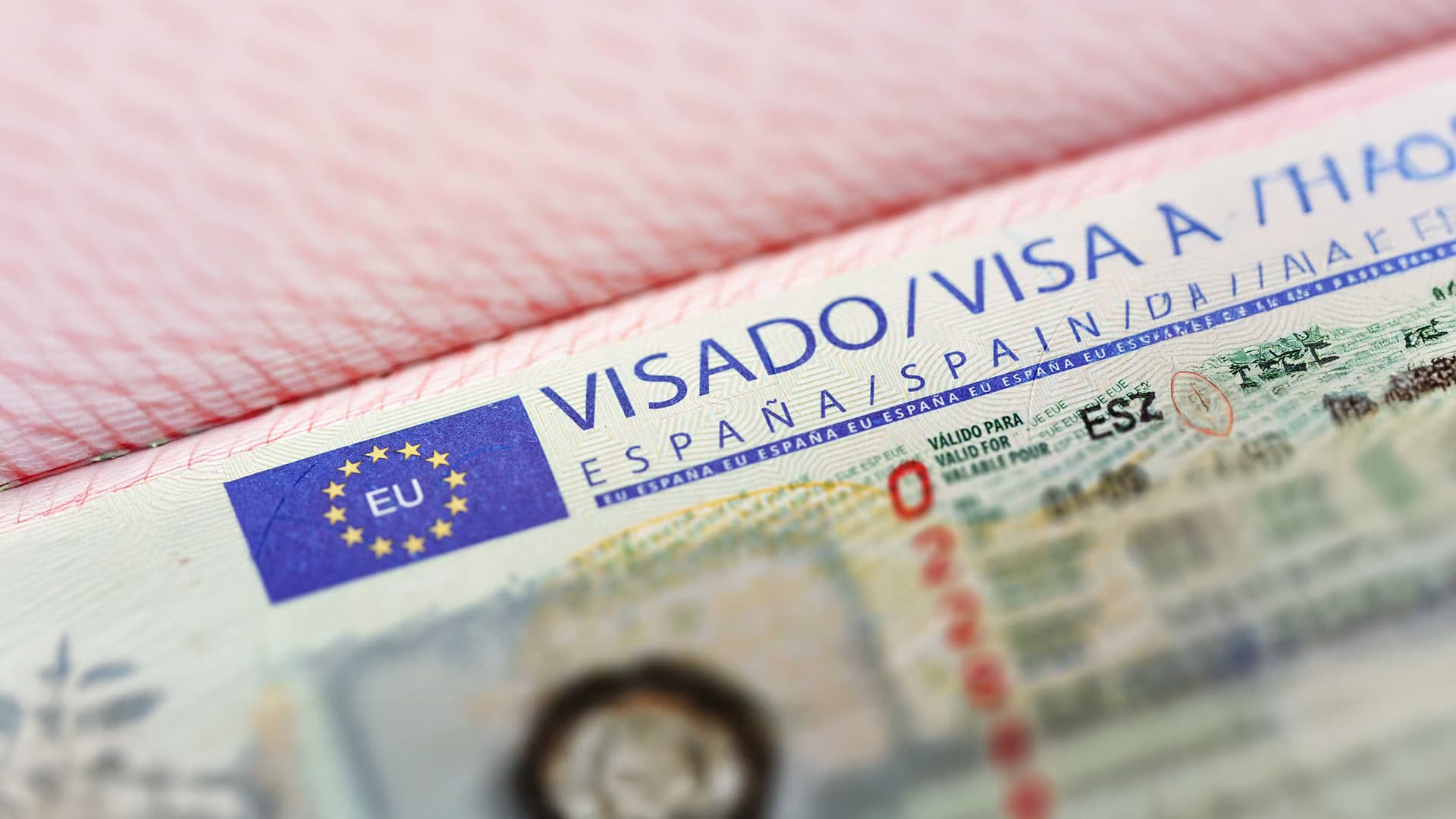
When you arrive in Madrid, certain administrative formalities are essential to settle legally and start your new life on the right foot. Here are the main steps to take as a French expat:
- Obtain your NIE (Número de Identidad de Extranjero): This is the first essential step. The NIE is necessary for all other procedures.
- Register at the municipal padrón (empadronamiento): Your registration at Madrid's city hall to obtain an official proof of residence.
- Open a Spanish bank account: Highly recommended to simplify your daily financial management.
- Obtain a social security number (NUSS): Essential if you plan to work in Spain to access the public health system.
- Exchange your driving license: Your French license is recognized, but it's advisable to exchange it for a Spanish one if you become a resident.
Finding Accommodation in Madrid
Renting an Apartment in Madrid
The Madrid rental market is known for being tight and very competitive. For a two-bedroom apartment in the city center, expect a monthly rent around €800 to €1,500. It's advisable to start your search before even arriving on platforms like Idealista, Fotocasa, or Badi. Prepare a strong rental application with your NIE, proof of solvency, and a deposit (one to two months' rent).
The Best Neighborhoods to Live In
Madrid is a vast city with varied atmospheres. Choosing the right neighborhood is important for successful expatriation. Here are four popular neighborhoods among French expats:
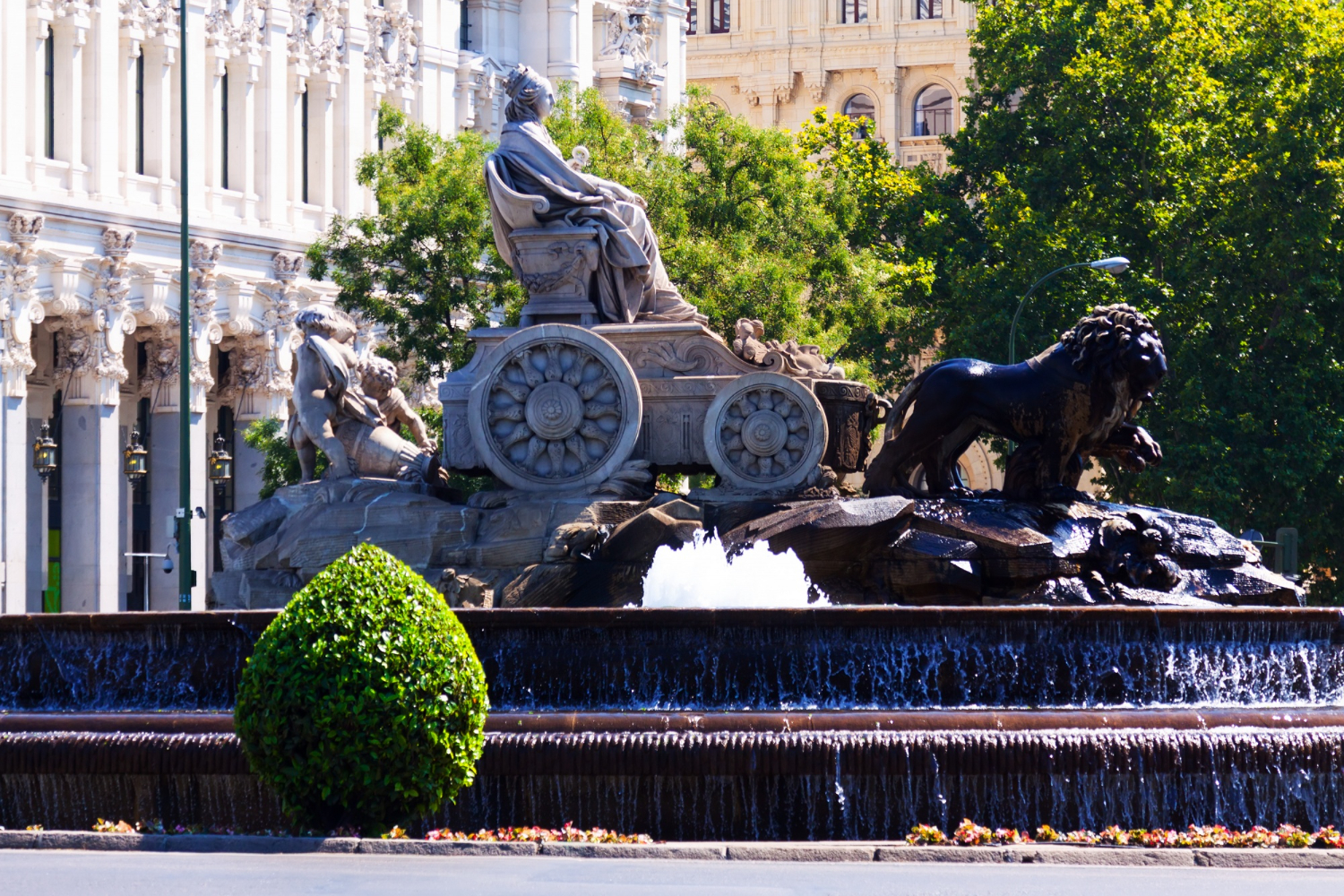
- Salamanca: The chic and upscale neighborhood par excellence, renowned for its luxury boutiques and sophisticated lifestyle.
- Chamberí: A neighborhood that's both residential, central, and authentic, combining accessibility with a village atmosphere.
- Malasaña: Madrid's bohemian and trendy neighborhood, famous for its lively nightlife and artistic scene.
- Retiro: Organized around the famous park, it offers an ideal balance for families and nature lovers.
Cost of Living and Budget in Madrid
The cost of living in Madrid is lower than in Paris, but it remains the highest in Spain. Your main expense will be housing. For an expat living alone, you need a budget of approximately €1,500 to €2,000 per month to live comfortably.
Working in Madrid
A Dynamic but Demanding Market
Madrid is Spain's economic powerhouse. Key sectors include finance, technology (IT), and tourism. The job market is competitive, and Spanish proficiency (minimum B1/B2 level) is almost essential.
Daily Life and Integration
Learning the Language and Adapting to Culture
Learning Spanish is the key to successful integration. Also take an interest in local customs: meals are later, and social life is very important.
Transport: Getting Around Madrid
Madrid has an excellent public transport network. The metro, clean and safe, serves all neighborhoods. A monthly pass costs around €50. You probably won't need a car.
Health and Medical Coverage
You'll have access to Madrid's public health system, which is of good quality. Once you obtain your NUSS, you'll receive a health card (Tarjeta Sanitaria). Many expats also take out private health insurance for faster access to specialists.
Our Tips for Successful Installation
- Anticipate as much as possible: arrive a few days before starting work.
- Prepare your documents: make certified copies of your important papers.
- Get support if needed: services like Hiliv can greatly simplify your administrative procedures.
- Keep an open and positive mind: the beginning is always a bit challenging, but Madrid is a very welcoming city.
Frequently Asked Questions
What is the average monthly budget for living in Madrid as a single person?
For an expat living alone in Madrid, you need a budget of approximately €1,500 to €2,000 per month to cover all expenses (rent, utilities, food, transport, leisure) and live comfortably.
Is it essential to speak Spanish to settle in Madrid?
While you can get by with English at first, learning Spanish is essential for successful integration. Mastering the language greatly facilitates administrative procedures, job hunting, and daily social life.
What are the first administrative steps to take upon arrival?
The three priority steps are: 1) Obtain your NIE (Foreigner's Identification Number), 2) Register at the municipal padrón (empadronamiento) at your local town hall, and 3) Open a Spanish bank account to simplify your transactions.
Which neighborhoods are most popular with French expats in Madrid?
Neighborhoods like Salamanca (chic and elegant), Chamberí (residential and authentic), Malasaña (bohemian and trendy), and Retiro (family-friendly and green) are very popular among the French community for their varied and pleasant living environments.