Retirement in Spain: advantages, formalities and advice for expatriating as a senior
Discover why Spain is the ideal destination for your retirement. Climate, cost of living, healthcare, taxation and administrative procedures: our complete guide for seniors.

Table of Contents
Spain attracts numerous French retirees thanks to its mild and sunny climate – particularly on the southern coast, notably the Costa del Sol – with mild winters and over 300 days of sunshine per year (Alicante, Malaga, Valencia…). Among Spain's major attractions for retirees are the mild climate, advantageous taxation, quality healthcare system and attractive cost of living.
| days of sunshine per year | over 300 |
|---|---|
| lower cost of living than in France (OECD) | 20–30% |
| per month for a retired couple, rent included | €2,000 |
| to apply for the Certificado de Registro | 3 months |
The cost of living is generally much lower than in France (up to 20–30% difference according to OECD), especially for housing and fresh local products. Local life is very convivial (terraces, tapas, village festivals…) and the pace of life more relaxed, far from European gloom. Spain also stands out for the richness of its cultural heritage, offering retirees an environment steeped in history, traditions and cultural diversity.
Moreover, the presence of large French-speaking communities in popular regions (Costa del Sol, Costa Blanca, Balearic Islands…) facilitates integration. The different Spanish regions offer a great variety of landscapes, from paradise beaches to mountains and green countryside, which attracts nature lovers and visual beauty enthusiasts.
Finally, Spain displays one of the highest life expectancies in the world, a sign of good overall quality of life. The idea of retiring in Spain thus appears as an advantageous option to enjoy a pleasant living environment, exceptional climate and moderate costs. Taking all these elements into account is essential for choosing your retirement destination wisely.
Summary of the main steps
- 1Obtain the NIE and Resident Certificate (certificado de registro UE)
- 2Register with Spanish Social Security (or use form S1)
- 3Open a Spanish bank account to receive your pension
- 4Exchange your French license for a Spanish license
Administrative formalities for an expatriate retiree
Moving to Spain involves several procedures. It is essential to consult the relevant authorities to obtain reliable and up-to-date information at each stage.
- 1Obtain the NIE and Resident Certificate (certificado de registro UE)
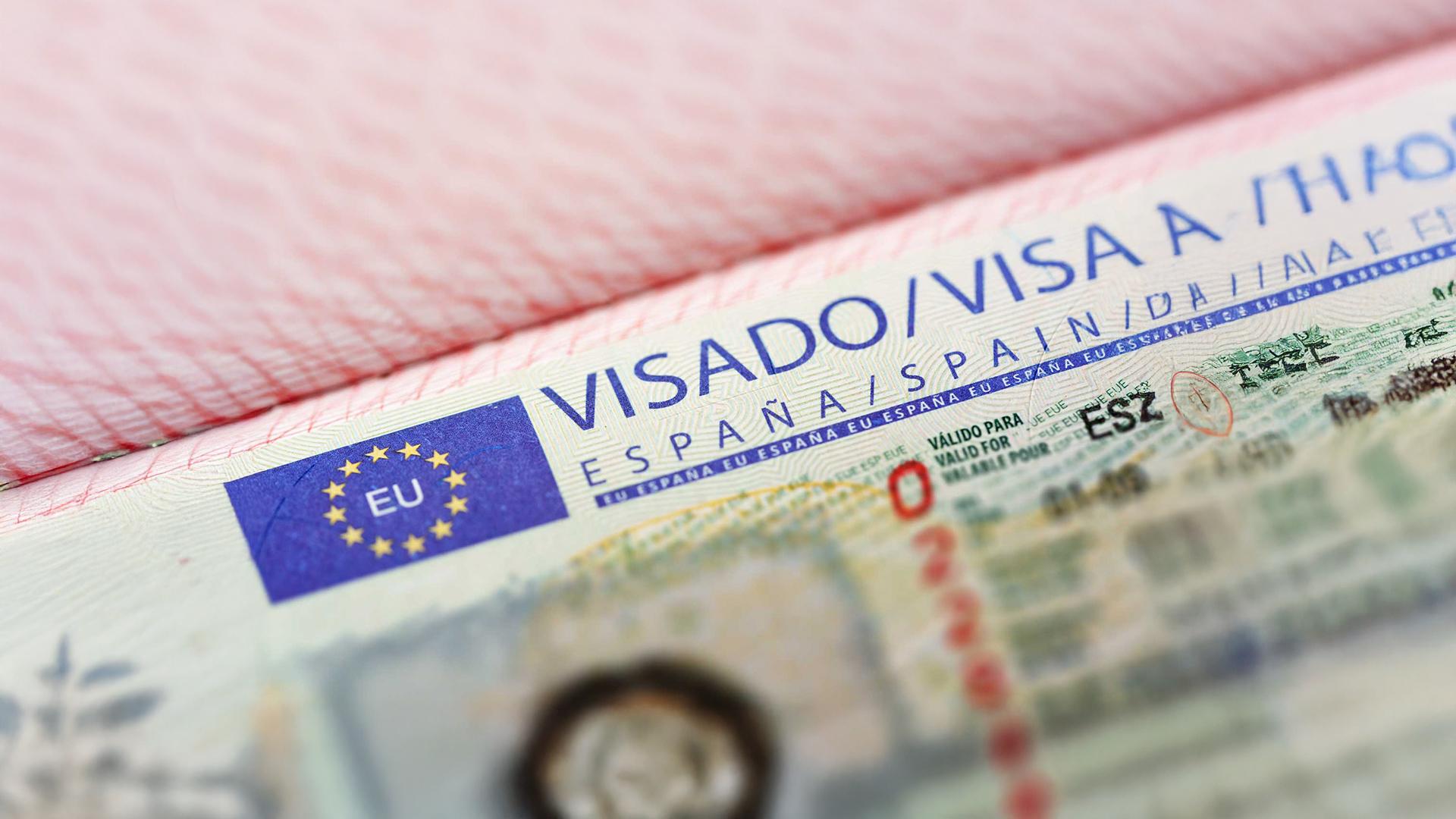
all French nationals staying more than 3 months must apply for their Certificado de Registro de Ciudadano de la UE (nicknamed "green NIE") within the first 3 months. This procedure requires booking an online appointment (cita previa), then presenting: passport, proof of address in Spain, form EX-18, tax payment, health insurance and proof of sufficient resources (pension statement, bank statements…).
- 2Register with Spanish Social Security (or use form S1)
retirees receiving a French pension can transfer their rights to Spain thanks to form S1 (more info on the CLEISS website). This document, issued by retirement funds in France, allows registration with the Spanish Social Security and to benefit from care just like a local insured person. While waiting for S1, private insurance may be necessary.
- 3Taxes and taxation
Spain and France have concluded tax agreements to avoid double taxation (see the tax convention). As a Spanish tax resident (stay >183 days/year), you will pay taxes on your pension only in Spain (except for civil service pensions). For more details, consult our guide on taxation in Spain.
- 4Bank and pension transfer
open a Spanish bank account to receive your pension. Most French funds accept to pay the pension into a foreign SEPA account without fees.
- 5Driving license and car insurance
the French license remains valid in Spain as long as it is valid. However, you can exchange it for a Spanish license to avoid future hassles. If you import your vehicle, registration must be done quickly (see our article on driving license and driving in Spain).
Where to retire in Spain?
Properly preparing your installation in Spain is essential to ensure a smooth transition and fully enjoy your retirement project abroad.
Mediterranean Coast (Costa Blanca, Costa del Sol)
The sunny beaches of the Mediterranean coast attract the majority of retirees. On the Costa Blanca (Alicante, Torrevieja, Jávea) or the Costa del Sol (Málaga, Marbella, Estepona), there are vast senior residences, renowned golf courses and numerous modern medical centers. French communities are very active there, and the real estate market offers everything.
Balearic and Canary Islands
For a "spring-like year-round" climate, the islands are ideal. Mallorca (Palma de Mallorca) welcomes a dynamic French community. The Canaries (Tenerife, Gran Canaria) enjoy a very mild microclimate. Be careful though: insularity translates to a sometimes higher cost of living and some geographical isolation.
Hinterland and medium-sized cities
If you're looking for more peace or culture, the inland areas hold many surprises. For example Dénia and Jávea combine sea and mountains. You can also consider historic cities like Salamanca, Granada or Segovia, where the cultural atmosphere is strong. The choice will depend on your lifestyle: mountains, museums, or simply the desire to live at the pace of local festivals.

Real estate in Spain: buying or renting your retirement residence
Spain attracts numerous French retirees each year. When it comes to settling permanently, the housing question is central. To delve deeper into the subject, consult our guide to finding housing in Spain.
Buying your retirement residence appeals to those who wish to settle for the long term. Purchasing allows you to build wealth with often attractive prices outside major cities. It's an asset for those planning to live in Spain year-round.
Renting your accommodation remains a highly appreciated option to maintain flexibility. Renting allows you to test several regions (Costa del Sol, Costa Blanca…) before committing. It's also ideal for those who only spend part of the year in Spain.
Budget and purchasing power for retirees in Spain
With your French pension, purchasing power generally extends in Spain. In practice, a retired couple living modestly can easily live on around €2,000 per month, rent included, in most regions (excluding Madrid/Barcelona).
The euro being the currency in Spain, your French pensions are not subject to any exchange rate risk. Local products (fruits, vegetables, fish) are of good quality and often cheaper than in France.
Health and quality of life
The Spanish healthcare system is considered among the best in the world. It is universal and free for affiliated residents. Each neighborhood has a Centro de Salud to which you are assigned.
To benefit from Spanish social security, you must present form S1 to INSS and obtain a health card. In areas heavily frequented by foreigners, many doctors speak English or French. Your healthcare quality of life will be excellent, provided you have properly settled your status.

Integration and entertainment as a senior
Spain offers multiple opportunities to make friends. Join local French expatriate associations, very numerous in Alicante, Malaga or Valencia. They organize meetings, hikes or language courses.
Culturally, Spain is very intergenerational. Seniors actively participate in local festivals. Family occupies a central place, which helps avoid feeling isolated. French retirees integrate quickly thanks to this warm welcome.
Points to consider (the other side of the coin)
Living in Spain has so many advantages that you must also know the possible drawbacks:
Conclusion – Realize your dream of retirement in the sun
Moving to Spain for retirement can be a real success with good preparation. Thousands of French retirees already live there happily. By following the procedures (NIE, health, taxation), you'll give yourself every chance of success.
For a stress-free transition, Hiliv can help you with all your administrative procedures (NIE, residence, license exchange). With good preparation, your dream of retirement in the sun will become reality.
Official sources
Update history
- Article published
General information, up to date on 25 November 2025: it is not legal advice. Official rules and amounts can change; check your situation with the competent authority.
 Next step · 17 minBuying Property in Spain After Brexit: 2026 Guide for UK Buyers
Was this guide helpful?
- retirement spain
- senior expatriation
- living in spain
- healthcare spain
- spain retirement taxation
- administrative procedures